
Just a heads-up: this page may contain affiliate links. If you buy through them, we may earn a small commission at no extra cost to you. Learn more.
There’s something magical about hiking through nature—the quiet trails, the birdsong, the fresh air that clears your head. But if you’re new to hiking, there’s one thing that’s just as important as packing water or choosing the right shoes: understanding trail etiquette.
Trail etiquette isn’t about rules for the sake of rules. It’s about creating a space where everyone, from solo hikers to families and furry friends, can enjoy the outdoors safely and respectfully.
Here’s what you need to know before you hit the trail – these essential trail etiquette tips will make your hike better.
🚶♀️ Who Yields to Whom?
Not all trail users are on equal footing—literally. On narrower trails like Neutaconkanut Hill Park in Rhode Island, knowing who yields helps keep the experience safe and respectful for everyone. Here’s the standard right-of-way flow:
- Hikers yield to uphill traffic. If you’re headed downhill and someone’s coming up, step aside and let them pass. They’re working harder.
- Everyone yields to horses. If you come across equestrians, calmly step off the trail, speak gently so the horse sees you as a human, and wait for them to pass.
- Bikes yield to hikers. On shared trails, mountain bikers should always slow down or stop when approaching hikers.
When in doubt, make eye contact and smile. A friendly gesture clears up any confusion quickly.

🔇 Keep It Peaceful
One of the best parts of hiking is soaking in the natural soundscape. Avoid shouting across switchbacks or blasting music from your phone or speaker.
If you like music while you hike, opt for earbuds and keep the volume low enough that you can still hear the trail around you. Many animals (and people) will thank you for it.
🧹 Leave No Trace Basics
Even if you’ve never heard of the Leave No Trace principles, you’ve probably practiced some already. These simple habits help protect natural spaces:
- Pack it in, pack it out. Whatever you bring—including food wrappers, tissues, and orange peels—should leave with you.
- Stay on the trail. Cutting switchbacks or creating new paths damages fragile ecosystems.
- Don’t feed wildlife. Even a few crumbs can alter animal behavior in harmful ways.
Think of yourself as a guest in someone else’s home. Leave it just as you found it—or better.
🐶 Dog Rules Still Apply
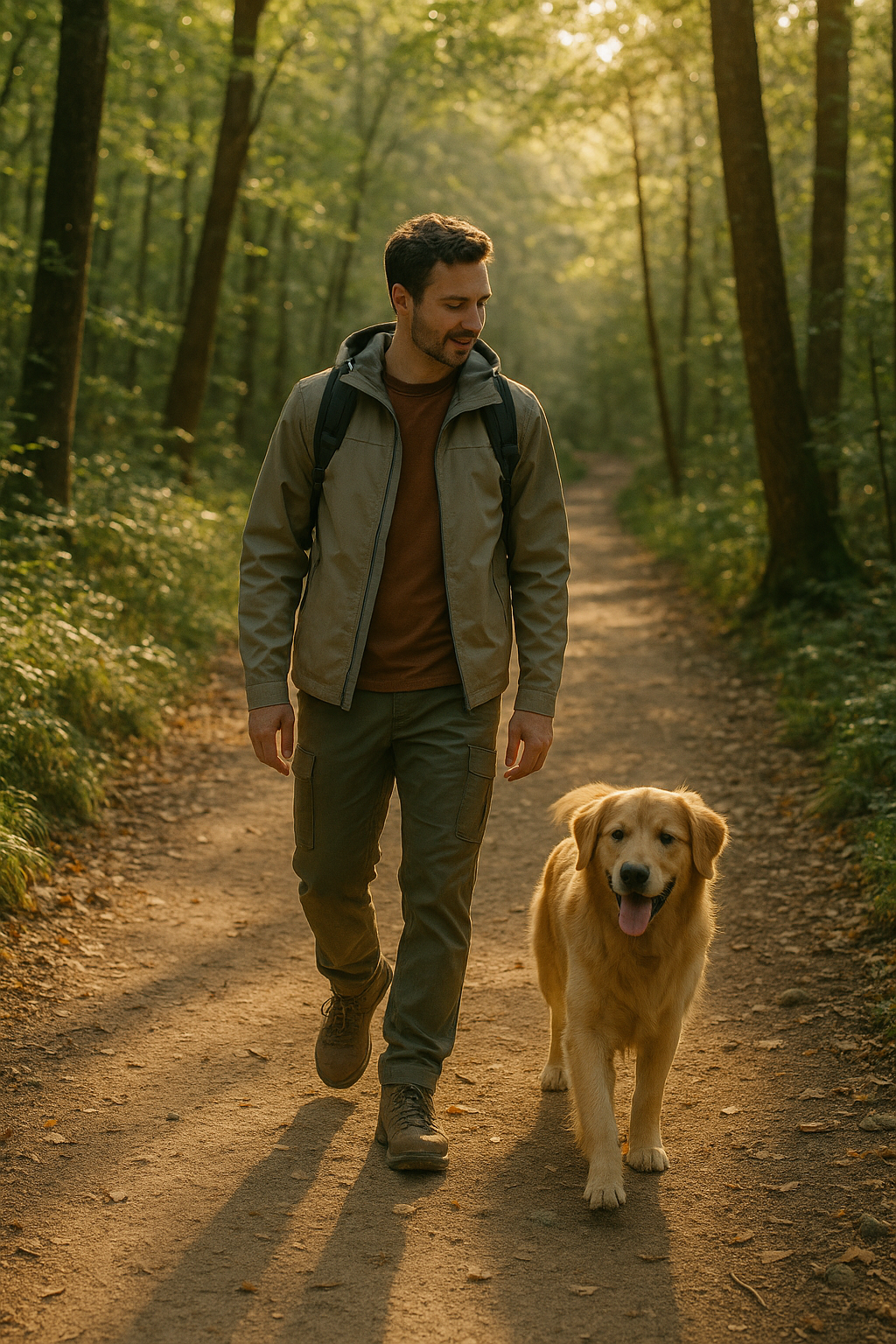
Bringing your pup along? Make sure to follow local leash laws, and keep your dog close, especially in areas with wildlife, other hikers, or steep terrain.
Always carry poop bags, and dispose of waste properly. That means packing it out unless the trail has designated dog waste stations.
Bonus points for training your dog to step off the trail on command when others approach.
👋 Respect Everyone’s Experience
Not everyone hikes for the same reason. Some are out for cardio, others for solitude, photography, or meditation. A few small things go a long way:
- Don’t crowd overlooks or trail markers.
- Step aside for faster hikers.
- Say a friendly hello or give a nod when passing—simple trail kindness is contagious.
🏕️ Campfires, Drones, and Drones of Questions
Check the rules for the area you’re hiking. Many places don’t allow campfires or drones, and violating those restrictions can lead to fines—or worse, wildfires.
If you’re unsure, local ranger stations and trailhead signs are great places to double-check before you head out.
✨ Final Thought
Trail etiquette isn’t just about good manners. It’s about protecting the wild places we love and making sure others can enjoy them too. Once you know the basics, it becomes second nature. You’ll find that even the smallest gestures—stepping aside, packing out your trash, offering a smile—can elevate someone else’s entire hike.