
Just a heads-up: this page may contain affiliate links. If you buy through them, we may earn a small commission at no extra cost to you. Learn more.
If you’ve ever felt stuck in a cycle of diets, gym memberships or fitness fads that never last, hiking offers something refreshingly different: a scenic, soul-fueling and sustainable path to better health. And yes, hiking and weight loss are not only compatible, they’re a natural fit.
🧠 Why Hiking Works for Weight Loss (and Why It’s Different)
At its core, weight loss happens when you burn more calories than you take in. Hiking is a powerful way to do that, but unlike high-impact workouts, it doesn’t punish your body or your mind.
- It’s low-impact but high-burn
- You stay active longer because it’s enjoyable
- Nature reduces stress, which lowers cortisol (a hormone linked to belly fat)
- You’re more likely to stick with it than restrictive gym routines
Studies have shown that hiking burns between 300–600 calories per hour, depending on terrain, pace and pack weight. Add elevation and trail time, and the numbers rise quickly.
🥗 Hiking Encourages Better Habits
One of the hidden benefits of hiking for weight loss is how it naturally supports other healthy behaviors:
- You hydrate more
- You snack more mindfully
- You sleep better after outdoor activity
- You crave nature, not junk food
Weight loss isn’t just about burning calories. It’s about creating a lifestyle that supports balance and hiking helps shift that mindset naturally.
🔥 How to Hike for Weight Loss (Without Overdoing It)
You don’t need to summit mountains to shed pounds. Here’s how to build a beginner-friendly hiking routine that actually works:
1. Start Small and Consistent
Aim for 2–3 short hikes a week (1–3 miles). Focus on habit before intensity.
2. Choose Trails with Elevation
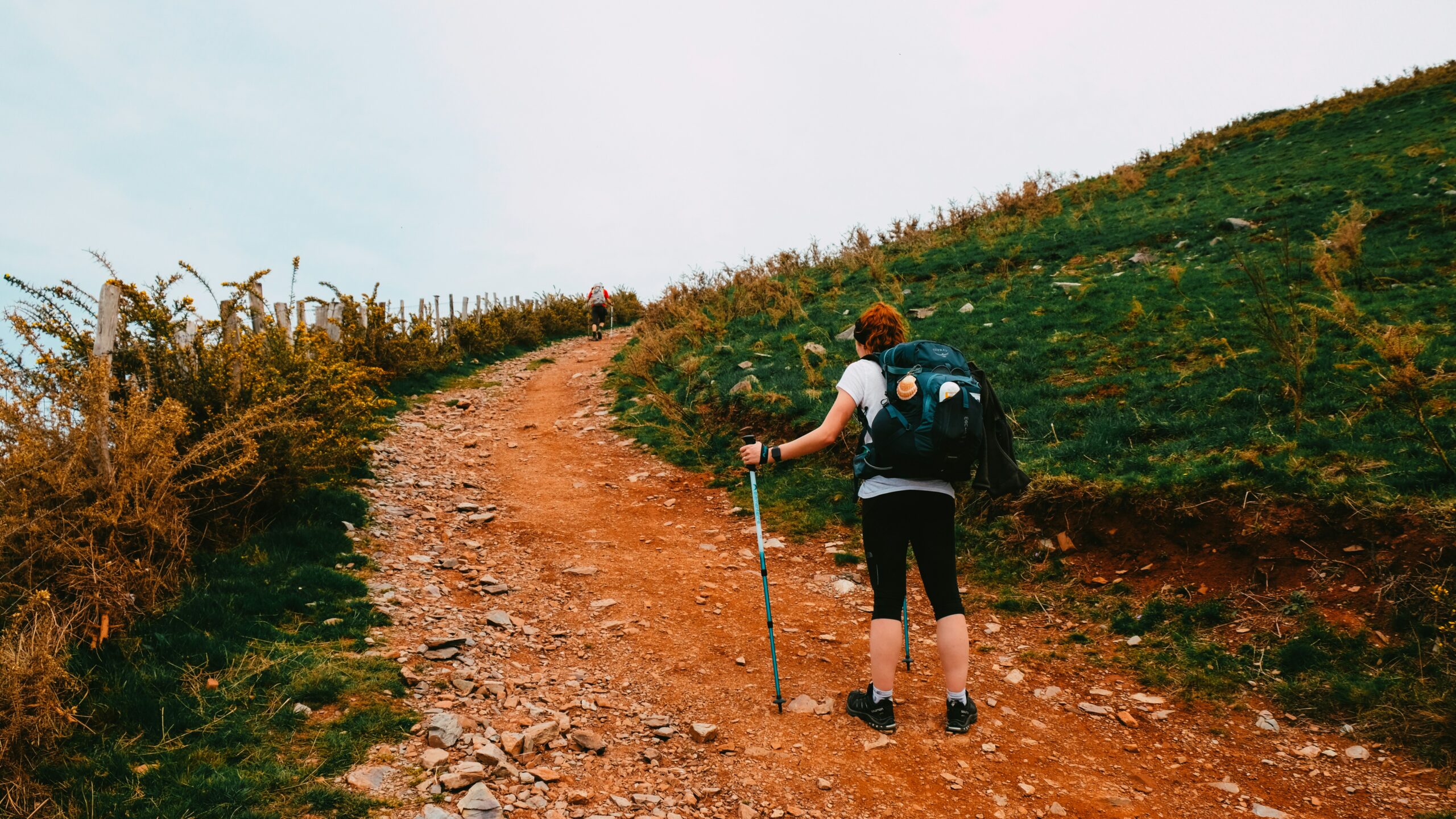
Even small hills boost your heart rate and calorie burn. Trails like Silver Lake Loop in Utah are gently graded but still get your heart rate up — perfect for consistent, low-impact fat burning.
3. Carry a Daypack
A light backpack adds resistance (and simulates rucking, a proven weight-loss method).
🎒 Ergonomic, lightweight, and trail-ready — discover daypacks and hiking backpacks designed for women.
Shop Women’s Hiking Backpacks4. Track Progress Without Obsession
Use a simple hiking log or a fitness app—but don’t get lost in the numbers.
5. Eat Smart Before and After
Fuel up with whole grains or fruit before you hike. Replenish with protein after.
💪 What the Science Says
A 2020 study in the Journal of Outdoor Recreation found that moderate hiking 3 times per week led to measurable body fat reduction and BMI improvements in sedentary adults after just 8 weeks.
Another study by Harvard Medical School noted hiking’s positive impact on mental health and stress reduction, both of which influence long-term weight management.
Hiking isn’t just exercise. It’s a reset for your entire system.
🧭 Weight Loss Without the “Workout” Feel
Traditional workouts can feel like punishment. Hiking feels like purpose. You’re not just sweating, you’re seeing things, discovering, breathing deep.
That mental shift is powerful. And it’s why hiking has one of the highest long-term adherence rates of any physical activity.
When movement becomes joy, consistency becomes effortless.
🔍 Final Takeaway: Hike to Heal, Not Just to Lose
If you’re starting your weight loss journey, hiking gives you more than a calorie deficit, it gives you clarity, consistency and calm. It’s exercise that doesn’t feel like a chore. And that’s what makes it sustainable. So make sure you check out our hikes page where you can find your starting point, whichever U.S. state you are from.
Let the forest be your treadmill. Let the trail be your coach. You don’t need perfection—you just need to start.