
Just a heads-up: this page may contain affiliate links. If you buy through them, we may earn a small commission at no extra cost to you. Learn more.
If you’ve ever ended a hike feeling both refreshed and completely wiped, there’s a reason: hiking torches serious calories. Whether you’re scaling mountain switchbacks or meandering through forest trails, the calories burned while hiking can rival or surpass other popular workouts and the science backs it up.
Let’s break down the science, trail conditions and gear choices that influence how your body torches calories on the trail.
Hiking Burns More Calories Than You Think
The number of calories burned while hiking depends on several variables: your weight, trail difficulty, elevation gain, pack weight, pace and duration. For example:
- A 160 lb (72.5 kg) person burns about 430–480 calories per hour on a moderate hike.
- Add elevation gain and a backpack and that number can climb to 550–600+ calories/hour.
- A 200 lb (90.7 kg) hiker tackling a strenuous trail could burn 700+ calories/hour.
Compared to walking on flat terrain or using a treadmill, hiking activates more muscle groups including your glutes, quads, calves and core, especially on uneven, rocky paths.
Want to learn how to read elevation maps and choose a trail that suits your fitness goals? Don’t miss our guide on trail difficulty ratings.
Trail Examples: Real Calorie Burn Scenarios
If you’re hiking Bear Lake Trail in Colorado with some incline and carrying a daypack, expect a significant calorie burn over the 0.8-mile loop. On longer hikes like Whitaker Point in Arkansas, you’ll likely burn 500–700 calories during a 2–3 hour out-and-back, especially if you’re moving at a moderate pace.
Gear Choice Impacts Calorie Burn
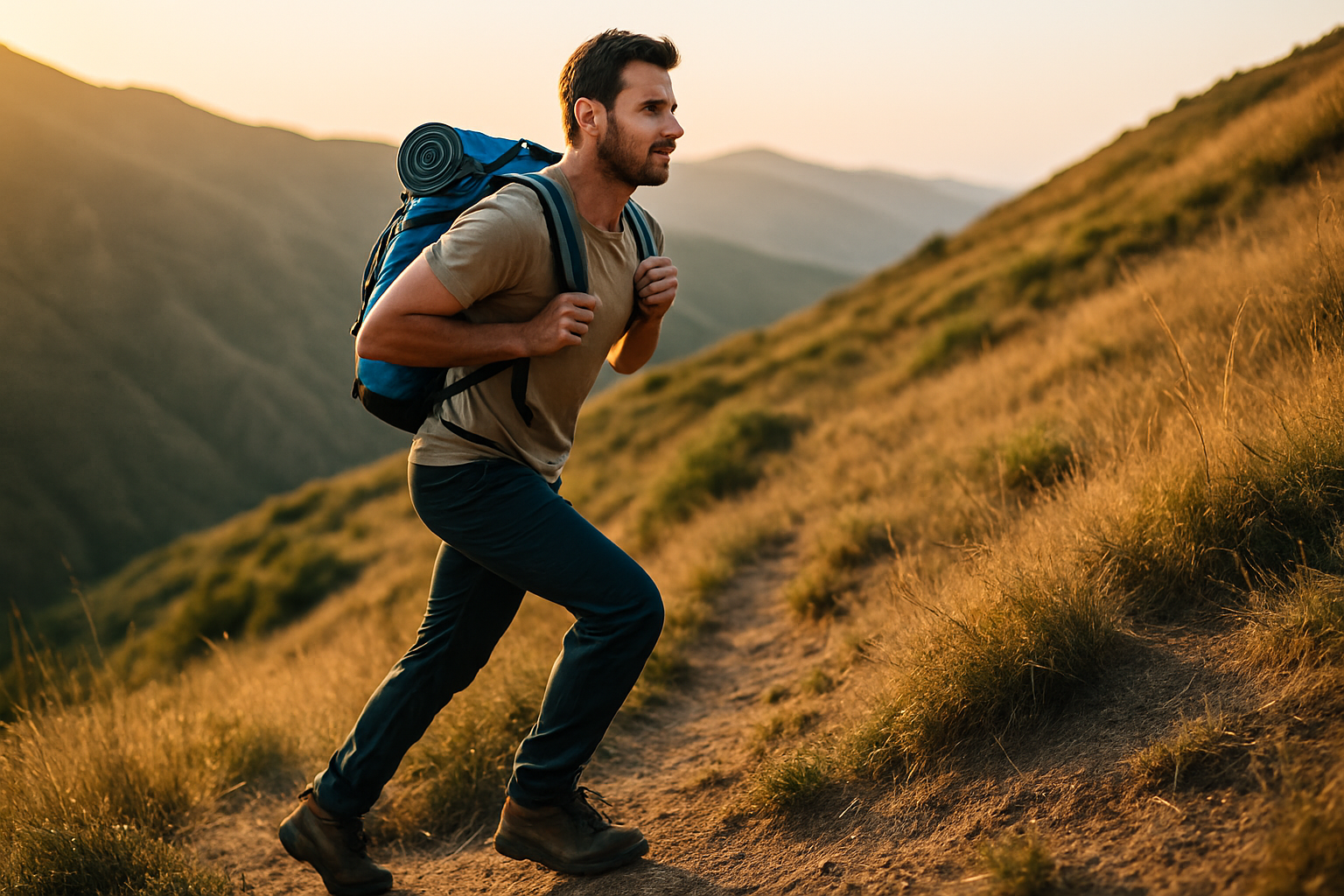
Carrying a backpack, even a lightweight one adds to your overall energy expenditure. If you’re using trekking poles (which engage your upper body), you’re burning even more.
That’s why we recommend properly fitting gear to maximize your performance and comfort. Check out our Top 3 Men’s Daypacks or Best Women’s Hiking Daypacks to find your perfect fit. And if you’re on a budget, our guide on hiking gear costs lays it all out.
💬 Pro Tip: Tracking your heart rate and pace with a smartwatch or fitness tracker gives you a more accurate read on calories burned. Make sure to choose hydration-ready gear like those featured in our beginner daypacks reviews.
How to Maximize Calorie Burn on a Hike
If weight loss or fitness is a goal, here are some effective strategies:
- Choose trails with elevation gain: More incline = more burn.
- Carry a light to moderate pack: Even 5–10 lbs makes a difference.
- Use trekking poles: They increase calorie burn and reduce joint strain.
- Increase your pace on flat segments: Add intervals to boost your metabolism.
- Hike consistently: Aim for 2–3 hikes per week if possible.
Looking to make hiking a key part of your fitness routine? Read our post on Hiking and Weight Loss or explore how hiking helps target belly fat with sustained aerobic activity.
Final Thoughts: Hiking Is More Than a Calorie Counter
Yes, hiking burns serious calories but it’s also about the journey. The views, the fresh air, the solitude, the challenge. You’ll get stronger, feel better and see real results over time.
If you’re new to the trails, don’t forget the basics: hydration, the right shoes, a lightweight pack, and layers. Visit our full Gear Review Hub to find beginner-tested products.