
Just a heads-up: this page may contain affiliate links. If you buy through them, we may earn a small commission at no extra cost to you. Learn more.
Chafing can turn an exciting first hike into a painful experience. Whether it’s from sweaty clothing, backpack straps, or repetitive leg movement, this common skin irritation catches many beginners off guard. The good news? With the right prep and gear, chafing is 100% preventable even on long, sweaty trails.
🩳 What Causes Chafing on a Hike?
Chafing typically occurs where skin rubs against skin or clothing, especially in areas like the thighs, underarms, waistband, and under your backpack straps. The key culprits? Sweat, poor fabric choices, seams in the wrong places, and a lack of skin protection.
Even short hikes like Pioneers Park Nature Trail in Lincoln, NE can become uncomfortable fast if you’re wearing cotton underwear or hiking in wet conditions.
👕 Choose the Right Clothing
Wearing moisture-wicking, seamless clothing helps reduce friction and keeps sweat from sitting against your skin. Opt for:
- Synthetic or merino wool underwear
- Compression shorts or tights under hiking shorts
- Tagless shirts with flat seams
Avoid cotton — it traps moisture, increases friction, and dries slowly. If you’re not sure where to start, see our hiking clothing guide for beginners.
🧴 Use Anti-Chafe Balms or Powders
An anti-chafing balm like BodyGlide or a talc-free powder helps create a smooth barrier between your skin and clothes. Apply it generously before the hike on:
- Inner thighs
- Underarms
- Bra straps and chest area
- Waistband or beltline
- Under your backpack shoulder straps
Reapply on longer hikes, especially in humid areas like the Canyon Road Trail in Iowa, where sweat buildup happens fast.
🎒 Check Your Backpack Fit
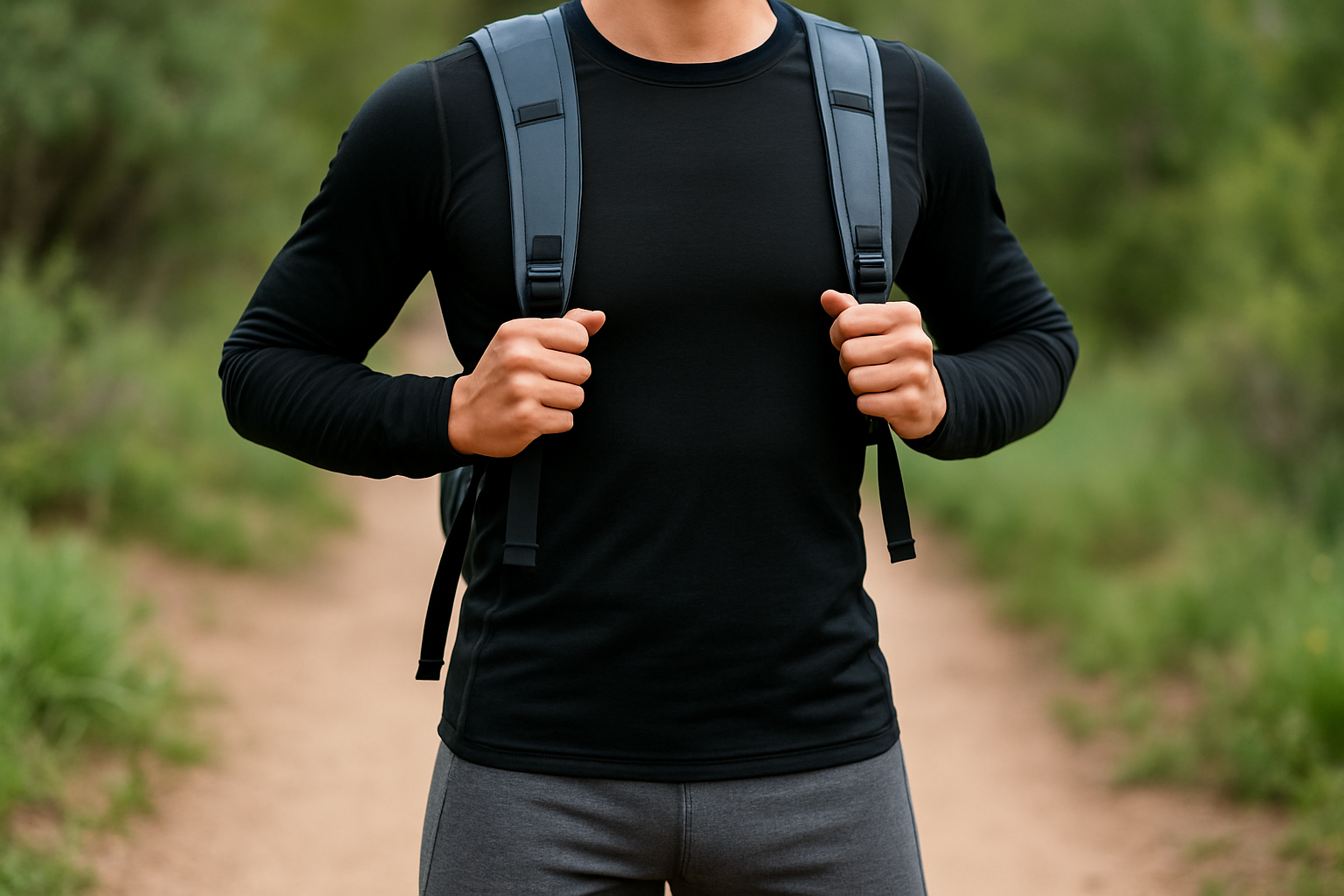
Backpack rubbing is another hidden cause of chafing. Straps that are too loose or tight, or poor padding, can dig into your shoulders and lower back. For a better fit:
- Adjust straps so the pack sits snug against your back
- Use padded shoulder and waist straps
- Keep heavy items closer to your spine to reduce bouncing
If you’re new to gear, check out our post on choosing the right hiking daypack.
💧 Stay Dry (and Reapply!)
Once your clothes get wet — whether from rain, sweat, or river crossings — friction increases. Carry an extra pair of socks and underwear in a dry sack, and don’t hesitate to change mid-hike. It’s especially helpful on longer routes.
🛑 If You Already Have Chafing
If it’s too late and you’re already feeling the burn:
- Gently clean the area with water
- Apply a healing ointment (like zinc or petroleum jelly)
- Let it air out overnight
- Avoid re-irritating it until fully healed
🥾 Hike Smart, Chafe-Free
Chafing is a rite of passage for many new hikers — but it doesn’t have to be. With the right fabric, anti-chafe products, and small habits like drying off mid-hike, you’ll stay focused on the trail, not your inner thighs.
You’ll thank yourself later.