


Just a heads-up: this page may contain affiliate links. If you buy through them, we may earn a small commission at no extra cost to you. Learn more.
Getting kids outside is one of the most rewarding things a parent can do. But many parents wonder: from which age should you introduce hiking to your kids? The answer isn’t a strict number. Instead, it’s about recognizing developmental stages, adjusting expectations and creating positive early experiences on the trail.
Let’s explore what research and seasoned hikers know about starting children on their hiking journey.
👶 Hiking with Babies and Toddlers
It might surprise some parents, but hiking can begin very early. With the right gear, babies as young as a few months old can join you in a supportive carrier. At this age, hiking is less about the child walking and more about exposing them to fresh air, natural sounds and family bonding.
Parents should focus on short, easy trails with shade and smooth paths. For example, when your child is older and ready for their first independent steps, flat beginner trails like the Loop Trail in the Minnewaska State Park Preserve, New York are perfect to let them explore at their own pace.
🚶♀️ Preschool and Early Elementary Years
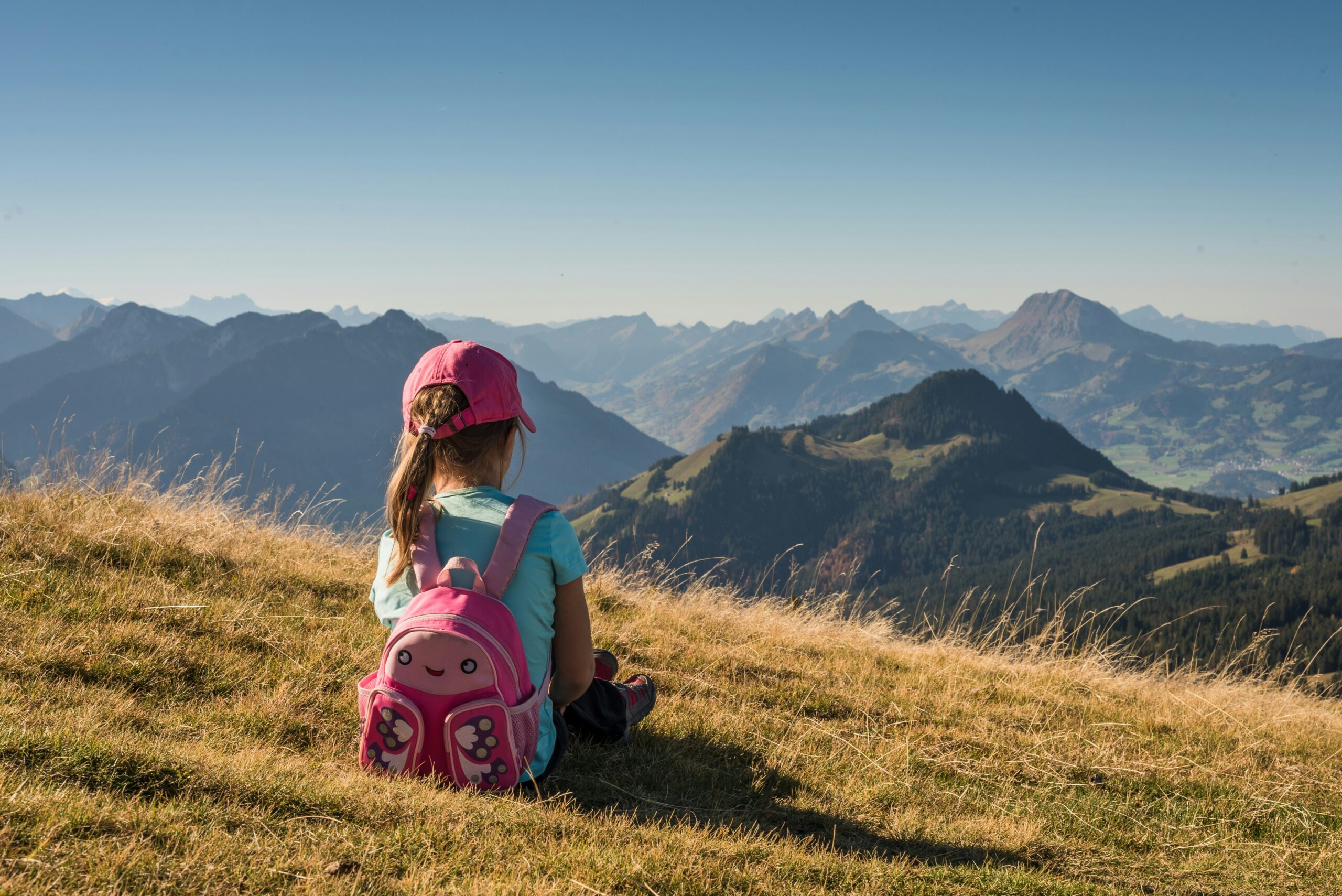
Around age 3 to 6, many kids are eager to walk short distances on their own. The key is to keep hikes fun and interactive. Look for trails with interesting features like streams, bridges, or wildlife signs.
This is also the age where you start teaching trail basics such as staying close to the group and recognizing markers. Keeping things engaging is critical. You might turn the walk into a “nature treasure hunt,” stopping often to let kids notice bugs, leaves, or animal tracks.
Parents often ask how long hikes should be at this stage. A good rule of thumb: one mile per year of age, adjusted for terrain and your child’s energy.
If you’re unsure about managing attention spans, you’ll find practical tips in our blog post: Your First Family Hike: How to Make It Safe, Fun, and Unforgettable, which goes deeper into strategies that keep little hikers motivated.
🏞️ Hiking with Older Kids and Preteens
By ages 7 to 12, children are usually capable of handling longer beginner-friendly hikes. They’re also more resilient to uneven terrain and mild elevation. At this stage, hiking becomes an opportunity to teach responsibility and independence like letting them carry a small daypack with their own water bottle or snack.
This is also a prime age to introduce hiking shoes that give proper grip and stability, which reduces the risk of rolled ankles or sore feet. Many families notice that once kids feel more “grown-up” with their own gear, they embrace hiking more enthusiastically.
For a great family-friendly challenge, trails like Green Trail Cheesequake State Park, New Jersey give older kids a chance to experience variety without overwhelming difficulty.
🧗 Teenagers and Beyond
Teenagers bring a whole new dynamic. While they may physically keep pace with adults, their willingness to hike often depends on motivation. Some parents find success by tying hikes to photography, geocaching, or social outings with friends.
At this stage, teens can safely tackle most beginner trails and even some overnight trips with guidance. If you’re considering this step, it helps to first read How to Prepare for Your First Weekend Hike, which covers the benefits and mental reset that longer adventures provide.
🧺 Safety and Preparation at Any Age
No matter what age your kids start hiking, preparation is everything. Essentials like water, snacks, sun protection, and a small first-aid kit should always be in your pack. For toddlers, extras like wipes and a change of clothes can prevent meltdowns.
Safety also includes knowing your limits. Parents should resist the temptation to push kids beyond their endurance. Positive memories will build a lifelong love for hiking, while negative ones can turn them away from the outdoors.
🌟 Final Thoughts
So, from which age should you introduce hiking to your kids? The truth is you can start as soon as you’re ready, as long as you tailor the experience to your child’s stage of development. Babies can enjoy the outdoors from a carrier, preschoolers thrive on short interactive hikes, and older children build confidence on beginner trails.
The goal isn’t to raise the fastest hiker but to nurture curiosity, resilience, and an appreciation for nature. By starting early and keeping it positive, you’re giving your kids a gift that can last a lifetime.