
Just a heads-up: this page may contain affiliate links. If you buy through them, we may earn a small commission at no extra cost to you. Learn more.
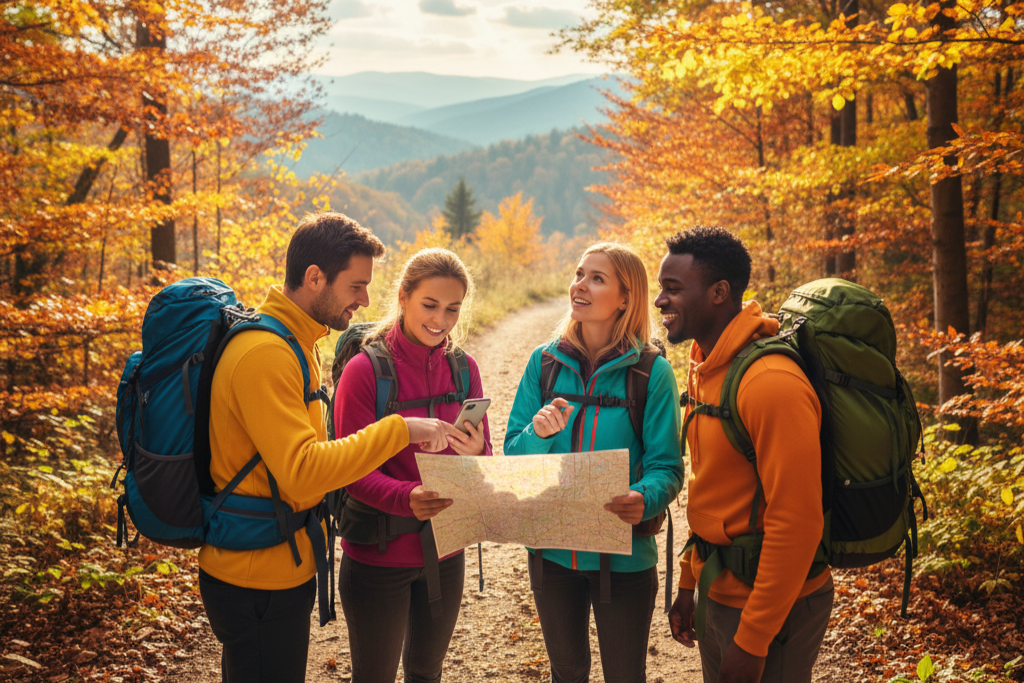
There’s nothing quite like stepping onto a trail on a crisp autumn morning but getting your clothing right can make or break the experience. Learning how to layer clothes for hiking in fall is one of the most practical skills beginners can pick up. Autumn weather can be unpredictable: chilly at dawn, warm by midday, and breezy or damp by afternoon. When you know how to dress in layers, you can adapt to each temperature shift and stay comfortable from trailhead to summit.
🍂 Start with a Moisture-Wicking Base Layer
Your base layer is your first line of defense against sweat and cold. Instead of cotton, which traps moisture and leaves you feeling clammy, opt for a synthetic or merino wool top and leggings. These fabrics pull sweat away from your skin, keeping you dry even when you’re working up a good pace. Think of this as setting the foundation for your entire outfit: when your base layer is dialed in, every other layer works better. For more help assembling your full kit, check out Hiking Gear 101 so you know where this piece fits in your setup.
🧥 Add a Warm, Breathable Mid-Layer
This is the layer that keeps your body heat where you need it. A lightweight fleece, a softshell jacket, or a thin insulated puffy are all excellent options for your mid-layer. You want something that keeps you warm but is easy to shed and stash in your pack when the sun climbs higher. Beginners often overdress for cold mornings and end up sweating through their clothes. A removable mid-layer solves this problem. Pair this with tips from Hiking for Beginners with Bad Knees, since taking breaks and regulating body temperature is even more important if you’re pacing yourself.
🌧️ Finish with a Weather-Blocking Outer Layer
An outer shell is your protection against wind, drizzle, or even the occasional early snowflake. Choose a lightweight rain jacket or windbreaker that you can easily pack when you don’t need it. The key is staying flexible: if the weather turns, you’ll be ready. Layering isn’t just about comfort, it also plays a big role in safety, since getting soaked and chilled can cut a hike short. Pair these tips with inspiration from Beginner Hiking in Fall to plan your next colorful trail day with confidence.
🎒 Don’t Forget Your Daypack
Layering works best when you can shed or add clothing as needed, which means you’ll need a pack big enough to carry those extra pieces. A good daypack lets you stash a mid-layer, gloves, a hat, snacks, and water without weighing you down. This is where comfort matters. The wrong pack can make adjusting layers a hassle. Check out Daypacks for Beginners for recommendations that balance comfort, storage, and beginner-friendly pricing.
🚶 Where to Try Your Fall Hiking Layers
The best way to test your layering strategy is to head out to trails that give you a range of exposure and temperatures. Try the peaceful summit loop of the Mount Philo Trail in Vermont for broad Champlain Valley views and classic New England color that change from cool dawn to sunny midday — a great short test for shedding and adding layers.
If you want waterfall-backed foliage and easy miles, Old Man’s Cave in Hocking Hills, Ohio offers shaded gorges that feel markedly cooler than exposed ridges, so you’ll practice moving between warm and cool microclimates.
For a river-side option near the mid-Atlantic, the Great Falls River Trail in Virginia gives open water vistas and tree-lined banks where a layering system keeps you comfortable through breezy mornings and sunlit afternoons.
📝 Final Thoughts
Learning how to layer clothes for hiking in fall is about more than staying warm. It’s about feeling confident enough to enjoy every moment on the trail. When you’re prepared for changing weather, you can focus less on discomfort and more on the crunch of leaves underfoot and the beauty around you. Combine good layering habits with a safe hiking mindset and a smartly packed daypack, and you’re ready for a season full of memorable autumn hikes.