


Just a heads-up: this page may contain affiliate links. If you buy through them, we may earn a small commission at no extra cost to you. Learn more.
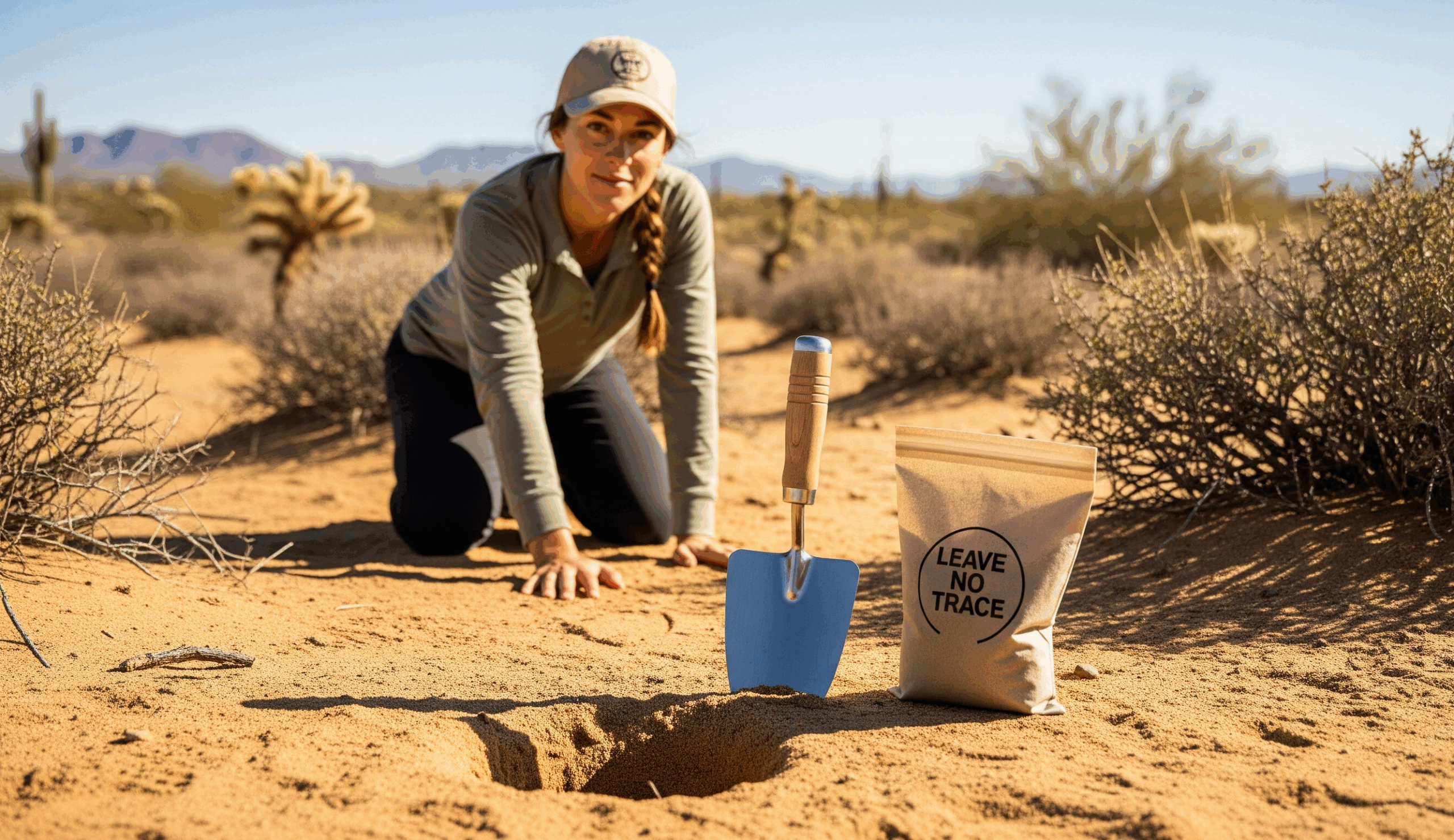
Knowing how to cat-hole in the backcountry is one of those essential hiking skills that never gets talked about but every beginner needs to learn. If you’re heading into remote areas without toilet facilities, proper waste disposal is more than just a convenience issue. It’s about protecting water sources, avoiding trail contamination, and following Leave No Trace principles. This guide will walk you through how, where, and when to cat-hole, so you can do your business the right way even in the wild.
🪣 What Is a Cat-Hole (and Why You Should Care)?
A cat-hole is a small, hand-dug hole where you bury human waste. It’s the standard method for responsible backcountry hygiene when no facilities are available. When done correctly, a cat-hole prevents contamination of water sources, reduces impact on wildlife, and keeps trails like Tom McCall Point Trail in Oregon or Seneca Creek Trail in West Virginia clean and usable for others.
Ignoring this practice can lead to environmental damage, attract animals, or even spread disease among hikers. It’s not just gross, it’s dangerous.
🕳️ How to Dig a Proper Cat-Hole
The process is simple but must be done with intention:
- Distance Matters: Walk at least 200 feet (about 70 adult steps) from water sources, campsites, or trails.
- Dig Depth and Width: Use a small trowel or stick to dig a hole 6–8 inches deep and 4–6 inches wide. This ensures waste is far enough below the surface to decompose naturally.
- Do Your Business: Squat over the hole. Beginners sometimes feel awkward, but with trekking poles or a tree for balance, it’s easier than it sounds.
- Bury and Camouflage: Use the removed soil to completely fill the hole, then cover with leaves or debris.
- Pack Out TP: Toilet paper doesn’t decompose fast and can ruin a natural view. Bring a sealable bag and pack it out. You can also use natural alternatives like smooth stones or leaves if you’re experienced and confident.
🧻 What Gear Helps With Cat-Holing?
You don’t need much, but a few tools make the job easier:
- Trowel: A lightweight, durable digging tool like the Deuce or TentLab makes soil work fast and easy.
- Wag Bag or Waste Kit: In fragile environments (like desert or alpine regions), cat-holing may not be allowed. Always check trail regulations.
- Hygiene Kit: Include hand sanitizer, sealable bags, and unscented wipes. It keeps things clean and helps prevent illness.
🌱 Where Cat-Holing Isn’t Appropriate
Some environments are too fragile or have restrictions. For example:
- Alpine zones with shallow soil
- Canyon lands or deserts with cryptobiotic crust
- Snow-covered areas
- Highly trafficked national parks
In these cases, use designated bathrooms or carry out waste with a wag bag. Trails like Mirror Lake Loop in Yosemite or Trail of the Cedars in Montana often provide posted guidance at trailheads.
🧠 Teach It, Don’t Skip It
Many beginners feel shy about the topic and that leads to mistakes. Share this info with your group before the trip. It’s especially important if you’re hiking with kids or new backpackers. Keep the tone casual but clear: “Everyone’s gotta go, let’s do it the right way.”
🏁 Final Thoughts: Respect the Wild, Even When Nature Calls
Knowing how to cat-hole in the backcountry is one of the most respectful things you can do for nature and your fellow hikers. With just a little prep, you can reduce impact, stay hygienic, and avoid unpleasant surprises on the trail.
Remember: the only thing you should leave behind is your footprints.