
Just a heads-up: this page may contain affiliate links. If you buy through them, we may earn a small commission at no extra cost to you. Learn more.
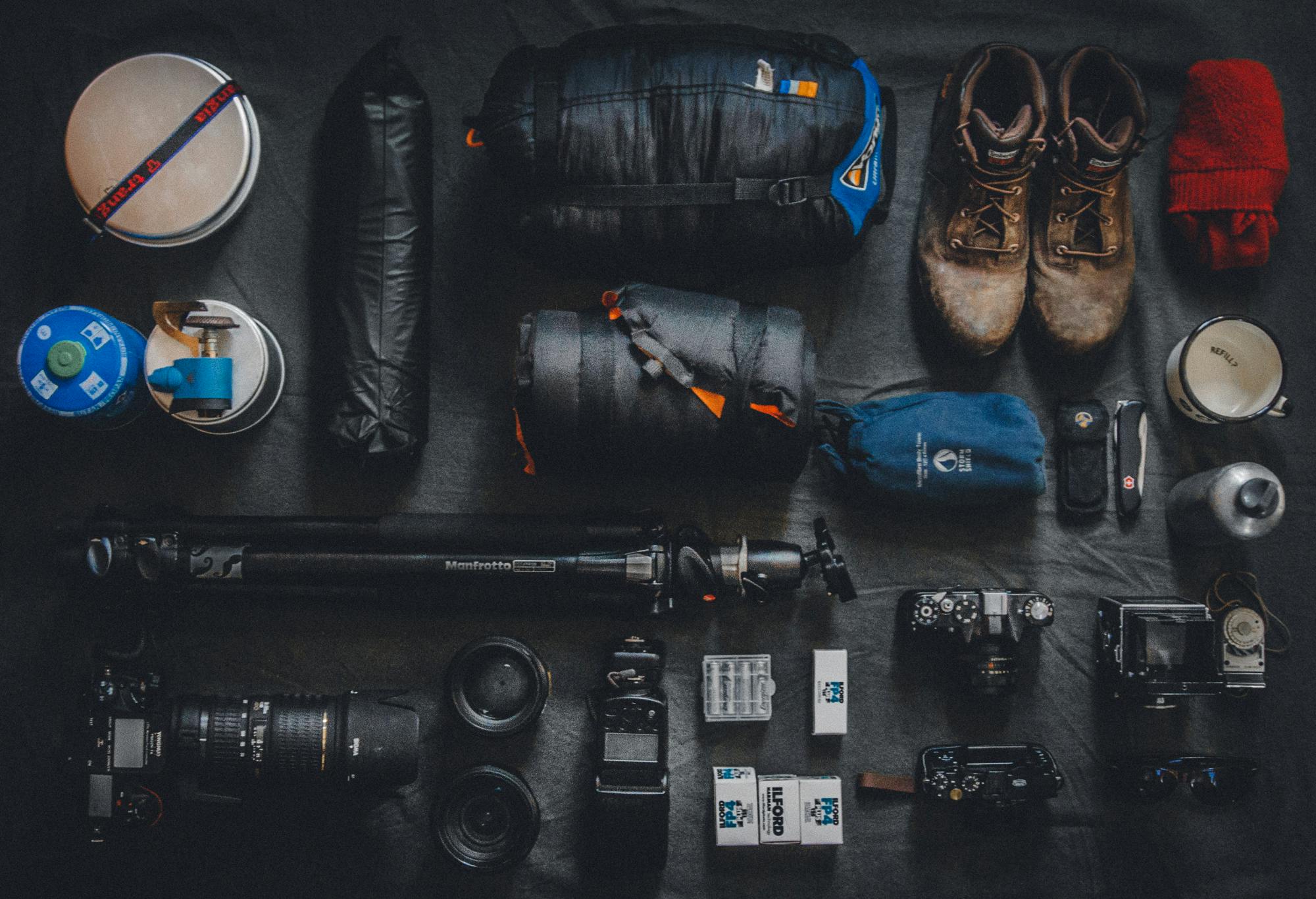
Whether you’re heading to the Skyline Trail in Massachusetts or exploring trails in your own backyard, choosing beginner gear starts with knowing what actually matters. If you’re new to hiking, it’s tempting to scroll through reviews, fill your cart and hope for the best. But there’s a smarter way to choose your beginner hiking gear essentials: one that saves you money, maximizes your comfort and helps you hit the trail with real confidence.
Here’s what matters most and how to build your beginner setup piece by piece.
🎟️ Know Your Trail Before Your Gear
Before choosing gear, consider where and how you plan to hike:
- Local nature preserve or rugged national park?
- Short day hikes or future backpacking goals?
- Dry desert sun or rainy forest trails?
Your gear should match your expected conditions and your current skill level. Start simple and focus on versatility.
💼 Start with the Core: Daypacks
Your backpack is your hiking companion. Don’t just choose based on looks. For beginner hiking gear essentials, pick a comfortable daypack that fits your torso length and has the right volume for your hike length.
Look for:
- Capacity of 15–30 liters for day hikes
- Padded straps and hip belt
- Water reservoir sleeve or bottle pockets
- External loops for trekking poles or gear
🎯 Trusted by hikers for balance, breathability, and comfort — the Osprey Talon 22L is a top pick for serious day hikes.
View Osprey Talon 22LAvoid overly technical packs until you really need them. (find out more on our dedicated post how to choose the perfect daypack)
🧵 Fit Over Fashion: Footwear
Shoes are where most beginners go wrong. Style is secondary to comfort and support. For beginner hiking gear essentials, get properly fitted hiking boots or trail shoes based on your local terrain.
Make sure to:
- Try them on with hiking socks
- Break them in before long hikes
- Choose waterproofing only if needed (it can make shoes hotter)
- Read our guide on how to choose your beginner’s footwear
Tip: Insoles can help if you have arch issues.
👟 Reliable comfort, grip, and durability — the Merrell Moab 3 is a beginner favorite for a reason.
Check Out Merrell Moab 3🌂 Layer Like a Pro: Clothing Basics
Don’t fall for trendy hiking outfits. Focus on layers that regulate temperature and keep you dry.
Your beginner hiking gear essentials for clothing should include:
- Base layer: moisture-wicking tee or tank
- Mid layer: fleece or synthetic pullover
- Outer layer: packable rain jacket
- Bottoms: stretch hiking pants or durable leggings
Avoid cotton. Always.
👟 Trail-tested, breathable, and built to move — explore hiking clothing designed specifically for women.
Shop Women’s Hiking Clothing🔍 Stay Oriented: Navigation Tools
Your phone might work. But what if it doesn’t? Learn the basics and carry analog tools alongside digital ones.
Navigation gear essentials:
- A physical trail map (waterproof if possible)
- Compass or altimeter watch
- GPS app with offline maps (AllTrails, Gaia)
- Power bank to recharge your phone
Tip: Practice map reading before your trip.
⚡ Plan for the Unexpected: Safety Gear
Your beginner hiking gear essentials must include a few just-in-case items. Think of them as insurance for your safety and comfort.
Always pack:
- Compact first-aid kit
- Headlamp or flashlight
- Whistle or safety alarm
- Sunscreen and bug spray
- Extra snacks and hydration
📗 Why Reviews Are Not Enough
Reading gear reviews is a smart step, but they can only go so far. What works for one hiker might not suit you. That’s why fit, comfort, and real-world testing matter most.
Try gear on, walk around your house, and return what doesn’t feel right. Your comfort matters more than five-star reviews.
🚀 Final Word: Choose, Don’t Collect
You don’t need the fanciest gear or a closet full of options. You need the right beginner hiking gear essentials that suit your needs, your body, and your trails.
Take it one item at a time, borrow before you buy if you can, and build your setup with intention.
Because hiking shouldn’t feel like a mystery. It should feel like freedom.