


Just a heads-up: this page may contain affiliate links. If you buy through them, we may earn a small commission at no extra cost to you. Learn more.
How to prepare for your first weekend hike isn’t just about tossing gear into a backpack and hitting the trail. It’s about planning with purpose. From your route and meals to your overnight setup and safety measures. A successful weekend hike balances adventure with preparation, especially for beginners eager to push beyond day hikes and explore the joys of overnight trails. In this guide, we’ll walk you through everything you need to know to make your first weekend hike both memorable and manageable.
Weekend Hiking for Beginners: It’s a Whole New Level
So you’ve done a few day hikes and feel ready to take it up a notch? Welcome to the world of weekend hiking! Spending a full weekend on the trail offers a deeper connection with nature and a real sense of adventure, but it also demands a different level of planning. Let’s break down what it really takes to prepare for your first weekend hike.
Choose a Beginner-Friendly Overnight Trail
Start with a route known for manageable terrain, good signage and proximity to campsites or basic lodging. A few perfect examples from our 50 beginner hikes include:
- Anna Ruby Falls Trail, Georgia – short and scenic with nearby campground facilities.
- Bear Lake Trail, Colorado – ideal for pairing multiple short loops into a weekend route.
- Sunday Gulch Trail, South Dakota – a bit more rugged but offers rewarding views and great overnight opportunities.
What to Pack for a Weekend on the Trail
Compared to day hiking, weekend trips mean you’ll need additional layers, shelter, more food and some comforts for the night. Use your day hike packing list as a base and expand from there.
Key additions for weekend hikes:
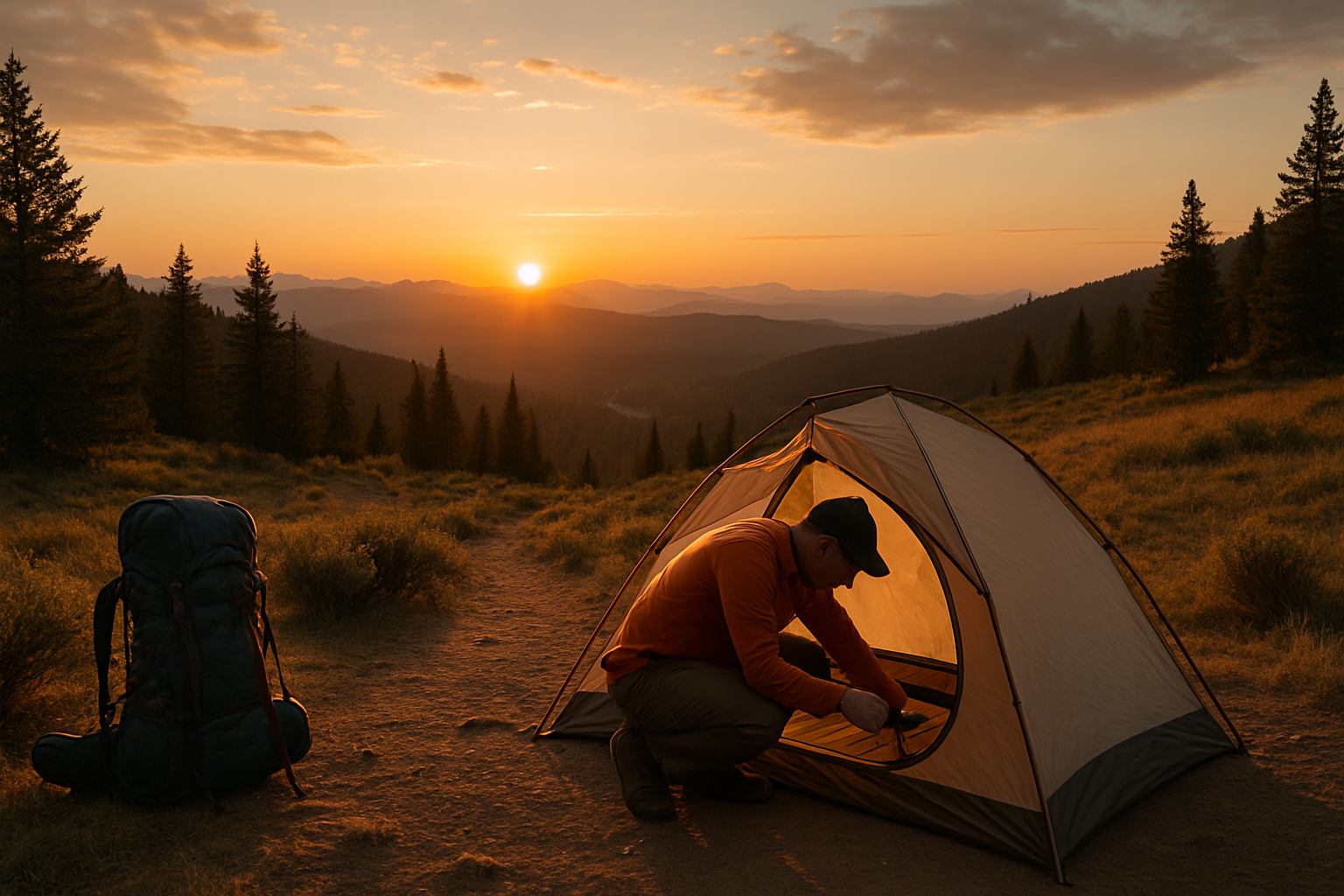
- Lightweight tent or hammock with tarp
- Sleeping bag (temperature-rated) and pad
- Camp stove and compact cookware
- Headlamp with spare batteries
- Water purification method
- Extra base layers and socks
For more packing insights, visit our guide on what to pack for a day hike and build upward from it.
Preparing for the Night: What Beginner Hikers Need to Know
An overnight hike isn’t just about walking longer, it’s about being self-sufficient in the wild. Here’s how to plan for restful, safe evenings:
- Choose your sleep system wisely: A reliable tent, quality sleeping bag and pad make all the difference.
- Layer up for warmth: Night temps often drop, so pack thermal layers and a warm hat.
- Don’t forget your light: A headlamp is essential for navigating after dusk.
- Food storage matters: In wildlife-prone areas like Trail of the Cedars, Montana, store food in a bear canister or hang it safely away.
- Boost your comfort: Bring small luxuries like earplugs, a travel pillow or a lightweight book.
Plan Your Pacing and Know When to Turn Back
Your body might tire faster when carrying a full pack, so take it easy and plan shorter mileage than you would for a single-day hike. Also, know the signs of when to turn back on a hike to avoid pushing too far.
Trail Snacks, Hydration, and Recovery
You’ll need more calories and fluids over two days. Pack nutrient-dense trail snacks like jerky, trail mix or peanut butter wraps and bring hydration tools like bottles or a bladder system. For ideas, check our hydration guide for hiking, especially crucial in summer months.
After the hike, be sure to stretch, hydrate and recover properly to avoid soreness and fatigue.
Gear That Goes the Distance
Weekend hikes are a great time to test gear durability and comfort. If you’re still building your setup, visit our Gear Hub for:
Final Thoughts: Your First Overnight Adventure
Weekend hiking for beginners is incredibly rewarding when done right. With solid planning, the right gear and a beginner-friendly trail, your first weekend hike can turn into one of your most memorable outdoor experiences.
Take it slow, plan smart and enjoy the journey: both on and off the trail.