
Just a heads-up: this page may contain affiliate links. If you buy through them, we may earn a small commission at no extra cost to you. Learn more.
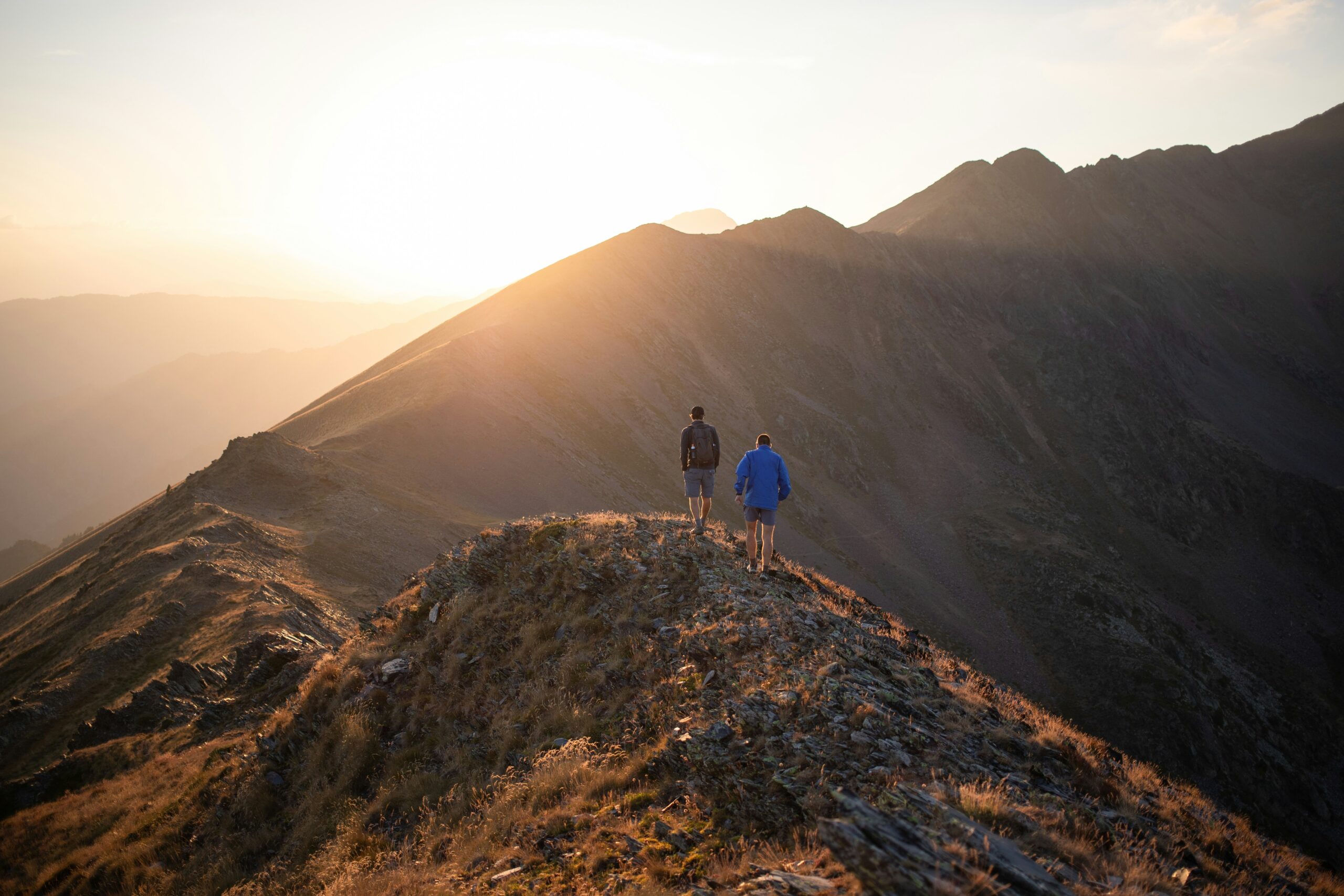
Learning how to hike in high altitude as a beginner can transform your mountain hiking experience from a struggle to a triumph. Elevation changes everything: your breathing, your stamina even how your gear performs. For first-timers, thin air can be disorienting and dangerous if you’re unprepared. But with the right pacing, hydration, gear and trail choices, high-altitude hikes can be both safe and exhilarating. Let’s dive into what you need to know before gaining serious elevation.
⛰️ What “High Altitude” Actually Means
In hiking terms, high altitude generally refers to elevations above 8,000 feet. At this level, the air has less oxygen, which can lead to altitude sickness even in fit hikers. If you’re heading to popular alpine trails like Sawtooth Lake Trail in Idaho or Mount Willard Trail in New Hampshire, elevation gain is a part of the experience.
Altitude symptoms may start with mild fatigue or shortness of breath but can escalate to nausea or dizziness. Recognizing the signs early and planning accordingly is critical.
🚶♀️ Start Low and Work Up
If possible, arrive at elevation a day early and take a short acclimation hike before your main outing. Trails like the Boardwalk Loop at Congaree in South Carolina while not high altitude, offer a low-impact way to build endurance leading up to a trip.
If you’re based near elevation, try local trails with moderate climbs before tackling multi-thousand-foot ascents. The key is to condition your lungs and muscles gradually, not shock them with a summit sprint.
💧 Hydrate More Than You Think You Need
Dehydration hits faster at altitude, even when you’re not sweating much. Drinking small amounts of water consistently is better than chugging a full bottle at the summit. Carry a bladder system or easy-access bottle, and remember: if you’re thirsty, you’re already behind.
Need help choosing a trail to test your hydration game? Lake Henry Loop in Kansas offers flat terrain perfect for practicing your fuel and fluid rhythm before climbing altitude-rich routes.
🥾 Don’t Underestimate the Power of Trekking Poles
On high-altitude trails, trekking poles are more than a nice-to-have: they’re a critical support tool. They help conserve energy, reduce strain on knees during descents and improve balance when your coordination might be a little off due to thinner air.
Before hitting the mountains, check out our guide to the Top 3 Trekking Poles for Beginners. The right poles can take pressure off your body and help maintain a consistent uphill pace.
🧠 Learn to Recognize and Respond to Altitude Symptoms
It’s crucial to listen to your body. Altitude sickness can sneak up quickly, especially if you’re focused on pushing forward. If you feel lightheaded, nauseous or overly fatigued, stop and rest. If symptoms worsen, descend immediately.
Trails like Yahoo Falls Trail in Kentucky or Barton Creek Greenbelt in Texas are ideal alternatives when you want to enjoy scenic climbs without the risks of high altitude.
🧳 Gear Adjustments for Higher Elevation
- Layers are key: Higher elevation means more variable weather. Mornings can start below freezing and afternoons swing hot.
- Sun protection: UV rays intensify at altitude. Sunglasses, sunscreen, and a brimmed hat are essential.
- Nutrition: Pack more calories than usual. Your body works harder and burns faster in thinner air.
If not sure how to layer up, make sure you visit our blog page on hiking clothes for beginners.
🏁 Final Thoughts: High Altitude, Low Stress
Learning how to hike in high altitude as a beginner is about planning, pacing, and patience. With the right trail choice, a solid hydration strategy and support gear like trekking poles, you can go higher with confidence. Start small, pay attention to your body and don’t be afraid to turn around — the mountains will always be there.