
Just a heads-up: this page may contain affiliate links. If you buy through them, we may earn a small commission at no extra cost to you. Learn more.
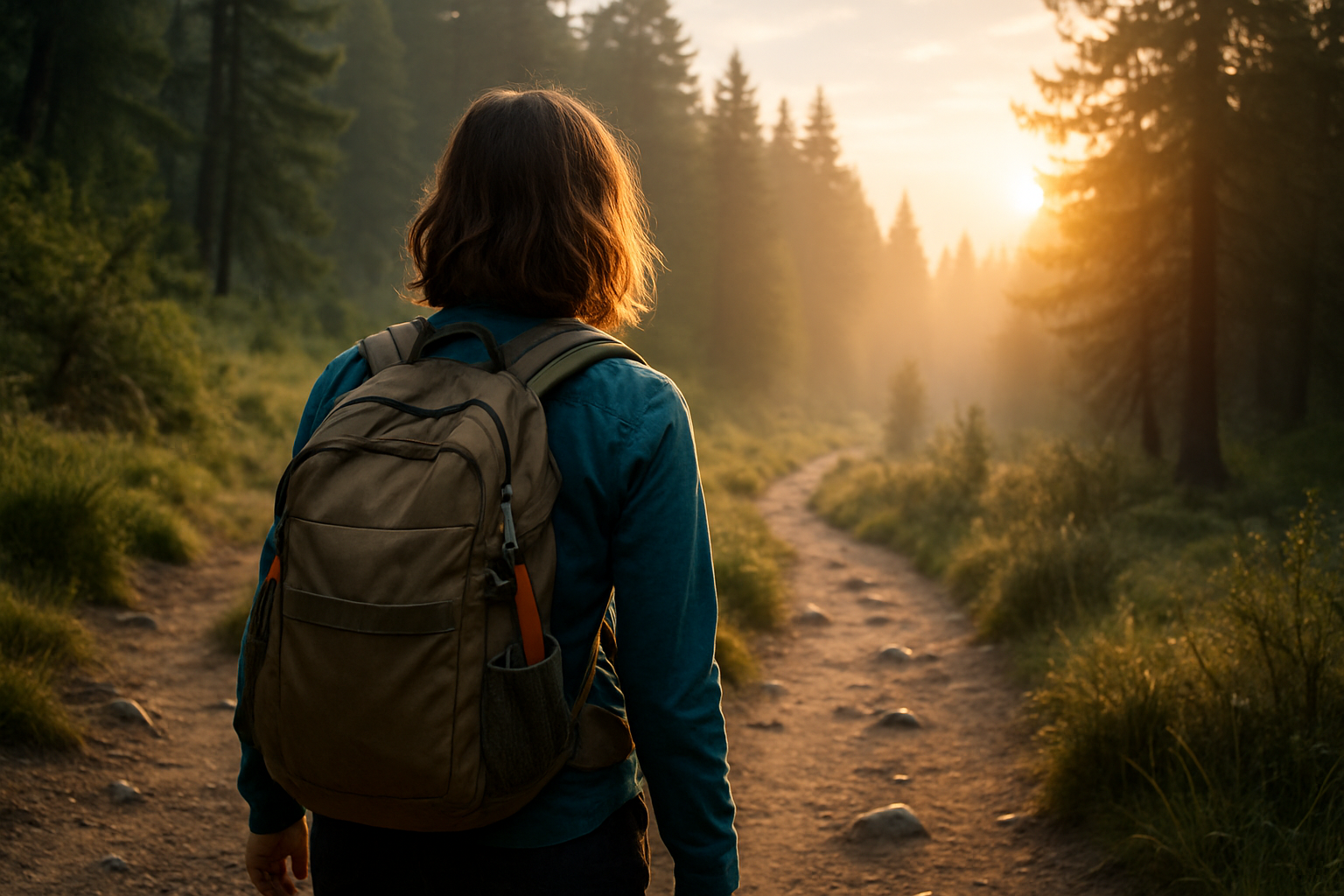
Some hikes aren’t about conversation, company or covering distance. They’re about reconnecting with yourself. Hiking alone as a beginner might sound intimidating, but for many, it becomes the most healing, empowering way to experience the outdoors.
It’s not just about solitude. Research has shown that time alone in nature can improve emotional regulation, reduce stress hormones and even enhance self-esteem. Whether you’re craving clarity, independence or just a break from noise, solo hiking offers something group hikes never can: freedom to move at your own pace: physically and mentally.
Let’s explore how to make it safe, meaningful and surprisingly simple.
🧭 Why Hike Alone?
Going solo removes distractions. It invites stillness. You get to listen not to people, but to your own thoughts, your breath and the crunch of your boots.
Many hikers report a stronger sense of:
- Mindfulness (being fully present in the moment)
- Self-trust (navigating decisions on your own)
- Peace and gratitude (simply being outdoors without expectations)
Even short solo hikes can deliver a lasting mental reset.
🔒 Safety First: Key Tips for Solo Beginners
While hiking alone can feel liberating, it also means you need to be your own safety net. Here’s how to keep your solo adventures low-risk and high-reward:
- Choose well-marked, beginner-friendly trails
- Tell someone where you’re going and when to expect you back
- Carry the 10 essentials, especially navigation, a whistle and extra layers
- Download the map offline if there’s limited signal
- Trust your instincts. If something feels off, turn back
Want to know what gear to bring for solo hikes? Visit our hiking essentials guide or check the daypack reviews for light and reliable options.
🧘♀️ Trails That Welcome Solo Hikers
We’ve handpicked beginner hikes across the U.S. that offer peace, beauty and beginner-friendly terrain without feeling remote or risky.
🌲 Neutaconkanut Hill Park – Rhode Island
Urban-adjacent peace. A great intro to solo hiking, this wooded park gives you nature without isolation and it’s easy to navigate.
🌿 Canyon Road Trail – Iowa
Wide open and quietly beautiful. This is solo hiking at its purest: no crowds, gentle terrain and that big-sky feel you didn’t know you craved.
🌊 Great Falls River Trail – Virginia
Water, rock and confidence. A good balance of populated and peaceful, this trail gives you space to reflect while staying within reach of others.
💧 Anna Ruby Falls Trail – Georgia
Short, scenic and soul-soothing. Let the sound of crashing falls replace your thoughts. Paved and popular, it’s safe for solo first-timers.
🌸 Tom McCall Point Trail – Oregon
Mindfulness in bloom. Solo hikers love this trail for its open views, gentle challenge and springtime wildflowers.
🕯️ The Mental Health Side of Hiking Alone
Spending time alone in nature has been linked to measurable drops in cortisol (your stress hormone), improved cognitive clarity and a stronger sense of personal agency. It’s not just anecdotal: studies in Frontiers in Psychology and Nature journals point to solo nature experiences as vital to wellbeing.
Even a 30-minute quiet walk on a wooded path can leave you feeling clearer and lighter.
☀️ Bonus Tip: Mindful Solo Sunrise or Sunset
Solo hiking during golden hours can be magical. Plan it like this:
- Know the sunrise/sunset times for your area
- Choose short out-and-back trails like Anna Ruby Falls or Great Falls River Trail
- Start early (for sunrise) or arrive 60–90 minutes before sunset
- Use a headlamp for the return trip and always tell someone your plan
🌟 Final Thought on Hiking Alone
Solo hiking as a beginner isn’t about distance, difficulty or even fitness. It’s about carving out space from screens, expectations and noise. It’s about learning to trust your body, your instincts and the path ahead.
The trail is calling. And this time, you don’t need anyone else to answer.