
Just a heads-up: this page may contain affiliate links. If you buy through them, we may earn a small commission at no extra cost to you. Learn more.
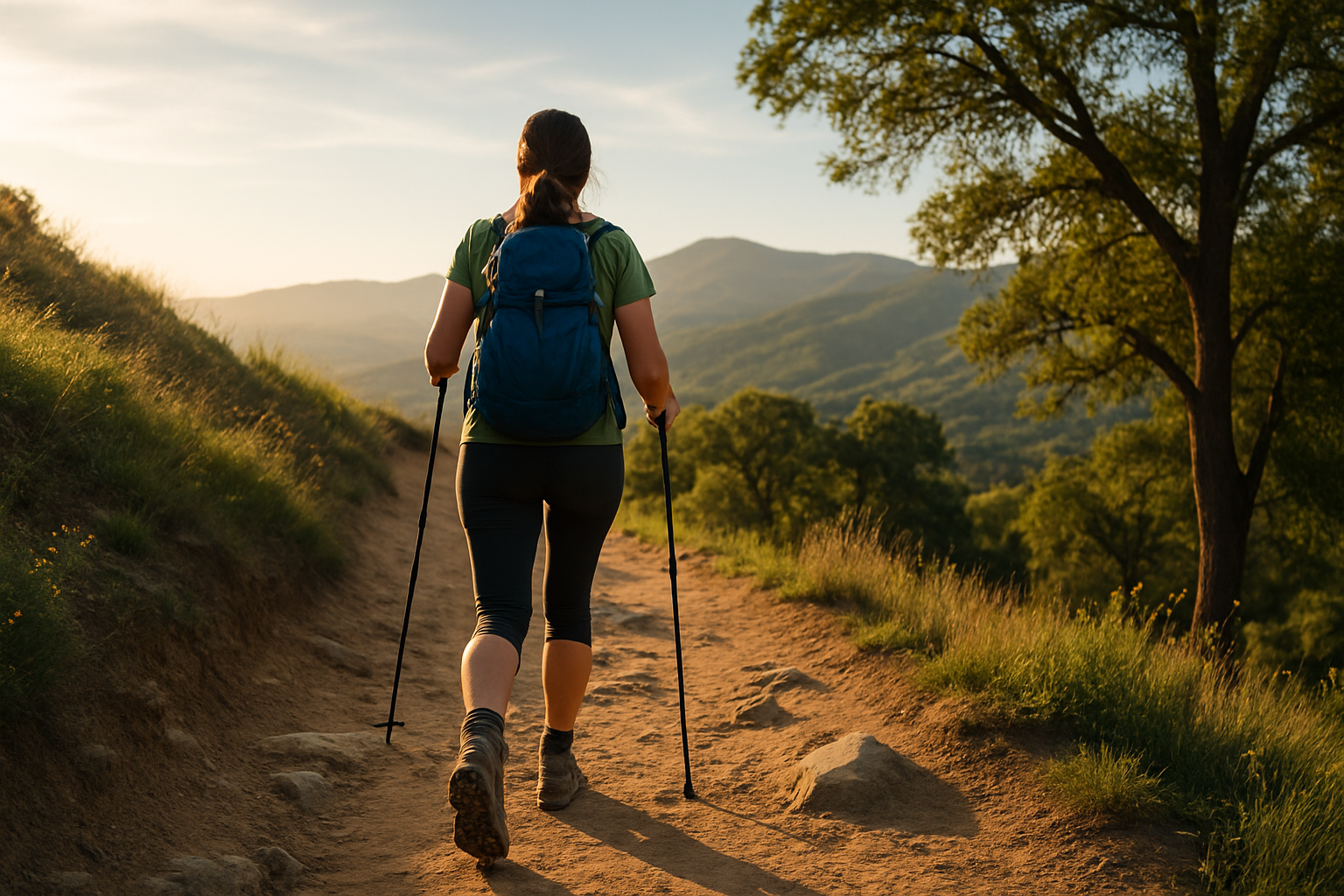
Losing belly fat is one of the most common fitness goals and one of the toughest. But the solution might be more scenic and sustainable than you think. Hiking and belly fat are more closely linked than most people realize. And the best part? Research backs it up.
Let’s look at how hiking works as a natural, science-supported way to shrink your waistline.
🔬 The Science: Why Hiking Helps Burn Belly Fat
Abdominal fat, especially visceral fat (the kind that surrounds your organs), is linked to heart disease, diabetes, and inflammation. The good news? It responds well to consistent aerobic activity and hiking qualifies.
A study published in the Journal of Obesity found that moderate-intensity aerobic exercise, including walking and hiking, reduced visceral fat in overweight participants without requiring high-intensity training.
Another study in Obesity Reviews confirmed that steady-state cardio is particularly effective for reducing abdominal fat, especially when combined with a calorie-balanced diet.
✅ Translation: Hiking helps burn belly fat through sustained effort, not exhaustion.
⛰️ Why the Trail Is Different From the Treadmill
Unlike static gym workouts, hiking involves variable terrain, incline and elevation. That means:
- Higher energy expenditure per hour compared to walking on a flat surface
- Greater core activation for balance on uneven trails
- Natural interval training as trails shift from uphill climbs to descents
According to Harvard Medical School, a 155-pound person burns 430–500 calories per hour hiking, depending on pace and terrain. Add a backpack or elevation gain and you burn even more with much of that energy coming from stored fat.
🧠 Stress, Cortisol, and Belly Fat: Hiking’s Bonus Effect
One of the most overlooked causes of belly fat is chronic stress, which raises levels of the hormone cortisol. Elevated cortisol is strongly associated with fat accumulation around the midsection.
Hiking, especially in nature, has been shown to:
- Reduce cortisol levels
- Lower blood pressure and heart rate
- Improve mood and reduce anxiety
A study from Stanford University found that walking in nature reduces activity in the brain’s subgenual prefrontal cortex, the area associated with rumination and depression, both cortisol triggers.
🧘 Hiking calms the nervous system and lowers fat-storing hormones. It’s not just physical, it’s hormonal.
🕒 How Often Should You Hike to Lose Belly Fat?
While even one hike helps, consistent activity is key.
- 3 to 5 hikes per week (30–60 minutes each) yields the best results
- Mix moderate and vigorous intensity — don’t fear some uphill effort
- Choose scenic trails to make it enjoyable — you’ll stick with it longer
Need a beginner trail to start? Try Lost Dog Wash Trail in Arizona or Silver Lake Loop in Utah for well-marked, rewarding terrain.
💪 Muscle Engagement: A Hidden Core Workout
Hiking doesn’t just burn fat — it also strengthens:
- Transverse abdominis and obliques (your deep core muscles)
- Lower back and hip flexors, which stabilize your pelvis
- Leg muscles, which increase total energy expenditure
The more your muscles work, the more calories (and fat) you burn. Even at rest.
🍽️ What About Diet?
You don’t need extreme dieting, but food still matters.
- Prioritize whole foods, lean proteins and complex carbs
- Stay hydrated before, during and after your hike
- Avoid sugary “energy” snacks — opt for nuts, jerky or fruit
Sustainable fat loss is 70% consistency + 30% clean fuel.
🌟 Final Thought: Why Hiking Is the Real Fat-Loss Hero
You don’t need fancy workouts to lose belly fat. You need consistency, movement and something that relieves stress: hiking offers all three.
It’s science-backed, beginner-friendly and most importantly, enjoyable. Whether you’re exploring a forest loop or heading up a mountain ridge, you’re not just burning fat, you’re reclaiming your health.