
Just a heads-up: this page may contain affiliate links. If you buy through them, we may earn a small commission at no extra cost to you. Learn more.
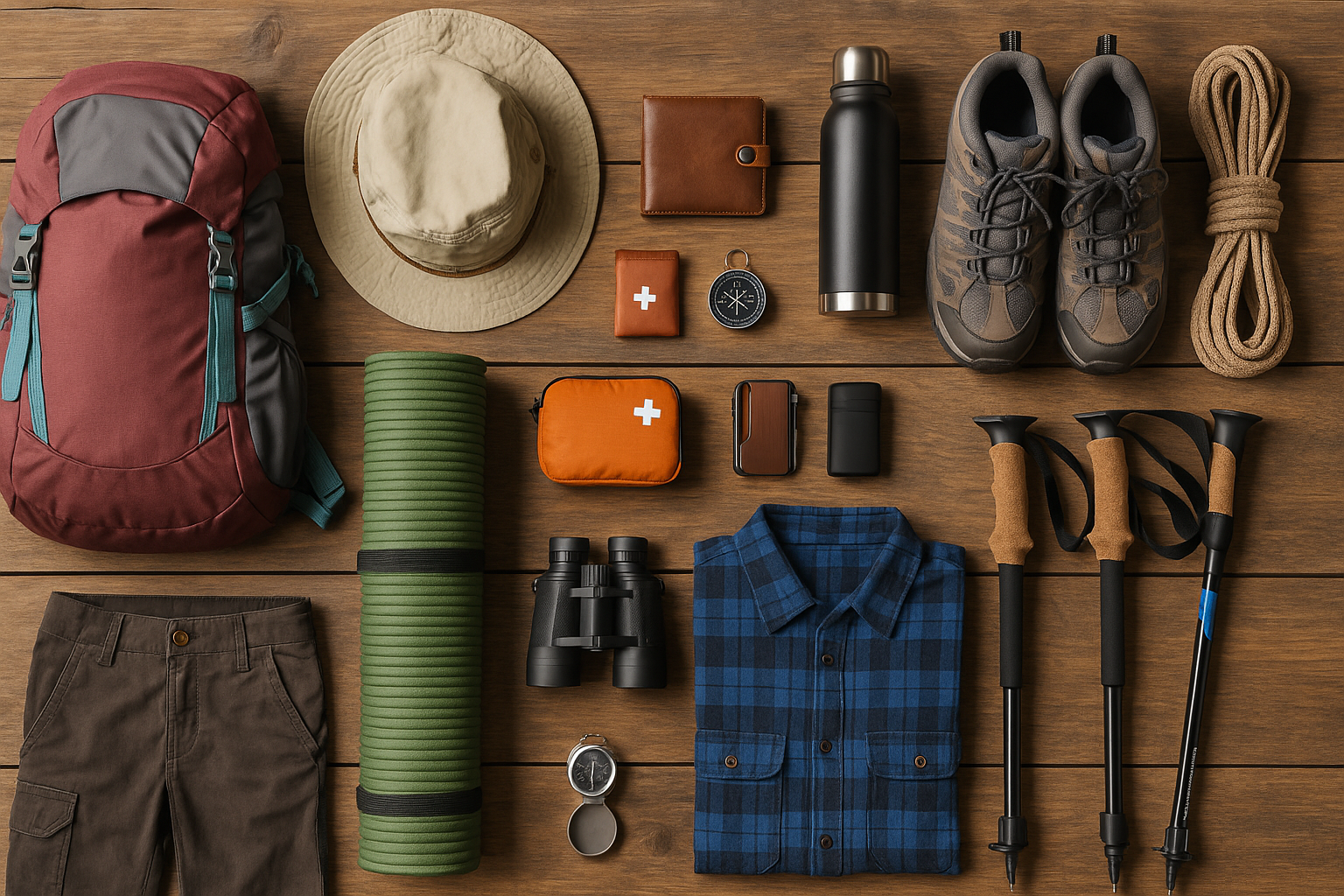
If you’ve never hiked before, the gear wall at any outdoor store can feel like you’ve stepped into another universe. Strange fabrics, confusing terminology, ten kinds of packs and boots that all look the same. But here’s the truth: most of it you don’t need — not right now. Hiking gear 101 is about learning what matters first, so you feel safe, supported and ready to enjoy your time outdoors. The rest can come later.
🥾 It All Starts with Footwear
When new hikers ask me what gear to invest in first, I always say the same thing: start from the ground up. Your feet are doing the work, and they need the right support. Hiking shoes and boots are designed to handle rugged, uneven terrain, protect your ankles and give you grip even when the trail is slick or muddy.
If you’ve never worn hiking shoes before, you’ll notice they’re firmer and more structured than running shoes. That’s on purpose. But they shouldn’t feel stiff or uncomfortable. Go for something lightweight to start, you’re not summiting Everest.
You can explore more on this in our full guide to choosing beginner hiking shoes, or if you’re already shopping, take a look at our top-tested options:
Best Men’s Hiking Shoes for Beginners
Best Hiking Shoes for Beginner Women
🎒 The Daypack Dilemma (Solved)
One of the earliest mistakes beginners make is overpacking. You don’t need a giant, multi-day backpack just to enjoy a few hours on a local trail. What you do need is a well-fitted daypack that carries the essentials without weighing you down.
Look for something in the 15–25L range. That’s enough room for water, snacks, a lightweight jacket and your keys and phone — but not so much that you’re tempted to fill it with “just in case” extras. Many great starter packs have built-in hydration sleeves and adjustable chest and hip straps for stability.
Choosing your first pack doesn’t need to be stressful — we’ve reviewed our favorite beginner models for men and women, and even built a guide on what makes the perfect daypack.
🧥 What You Wear Actually Matters
There’s an old saying: “There’s no such thing as bad weather, only bad clothing.” It’s a little extreme, but the point is valid. Clothing keeps you dry, regulates your body temperature and helps you avoid blisters, chafing and overheating.
The most important rule? No cotton. Cotton holds moisture, which means it cools you down fast when you sweat or worse, keeps you wet if the weather turns. Start with a moisture-wicking base layer, something breathable on top and bring an outer layer if wind or rain is possible.
Don’t overthink brands or colors. Think comfort and mobility. And trust that with every hike, you’ll learn what feels best.
Need a step-by-step guide? Start with our breakdown of beginner hiking clothes.
💧 Water, Snacks and a Place to Put Them
Here’s something no one tells you until it’s too late: being dehydrated feels a lot like being exhausted, frustrated and sore. But it’s totally preventable.
Always bring water, more than you think you need. For most beginners, a bottle is fine, but if you’re planning longer outings, look into a hydration bladder system that slips into your daypack and lets you sip as you walk.
Add some energy-boosting snacks (trail mix, fruit, nut bars) and keep them accessible, not buried under layers of gear.
We cover hydration in more detail here: Hydration While Hiking
🧭 You Can’t Navigate Confidence
Getting lost is one of the biggest fears beginner hikers have and rightfully so. But you don’t need to be a wilderness expert to stay on track. The key is preparation.
Start with short, well-marked trails. Learn how to read a basic map (yes, even just the one posted at the trailhead). Use a GPS app if you like, but always have a backup — phones die, signals drop. Even a simple printed map and a basic compass are better than nothing.
We built an entire guide to reading trail maps here and if you want tech support, check out the best beginner navigation gadgets.
🥢 Trekking Poles: Optional but Life-Changing
They take pressure off your knees, help with balance and make uphill sections more efficient.
Many beginners don’t realize how helpful trekking poles can be on uneven terrain especially when fatigue sets in. Look for poles that are lightweight, adjustable and have ergonomic grips.
🧭 We compared features and materials in our beginner’s guide to trekking poles
🩹 The “Extras” That Actually Aren’t
You might think you’ll never need a first-aid kit, or that trekking poles are just for older hikers. Until you trip, or twist an ankle, or hike farther than planned. Here’s the honest truth: these “optional” pieces of gear often become the ones hikers rely on the most.
A small first-aid kit takes up no space. A whistle could save your life. Trekking poles can help you go farther, with less knee strain. And don’t forget sun protection — sunscreen, sunglasses, and a hat are essential, even on cool or cloudy days.
Want to hike with your dog, your kids, or in unpredictable weather? You’ll find specialized advice and checklists all over our gear hub.
🧠 Final Thoughts: Start Simple. Learn as You Go.
You don’t need to know everything to get started. In fact, the best way to learn hiking is to do it. Use Hiking Gear 101 as your launchpad, not your final checklist. What matters most is feeling prepared enough to take that first step without anxiety.
With every mile, you’ll understand your needs better. You’ll adjust your pack, upgrade your gear and leave behind the things you thought were essential. But first: get out there.
And if you’re still not sure where to begin, our guide to what to pack for your first day hike has helped thousands of beginners get it right the first time.