
Just a heads-up: this page may contain affiliate links. If you buy through them, we may earn a small commission at no extra cost to you. Learn more.
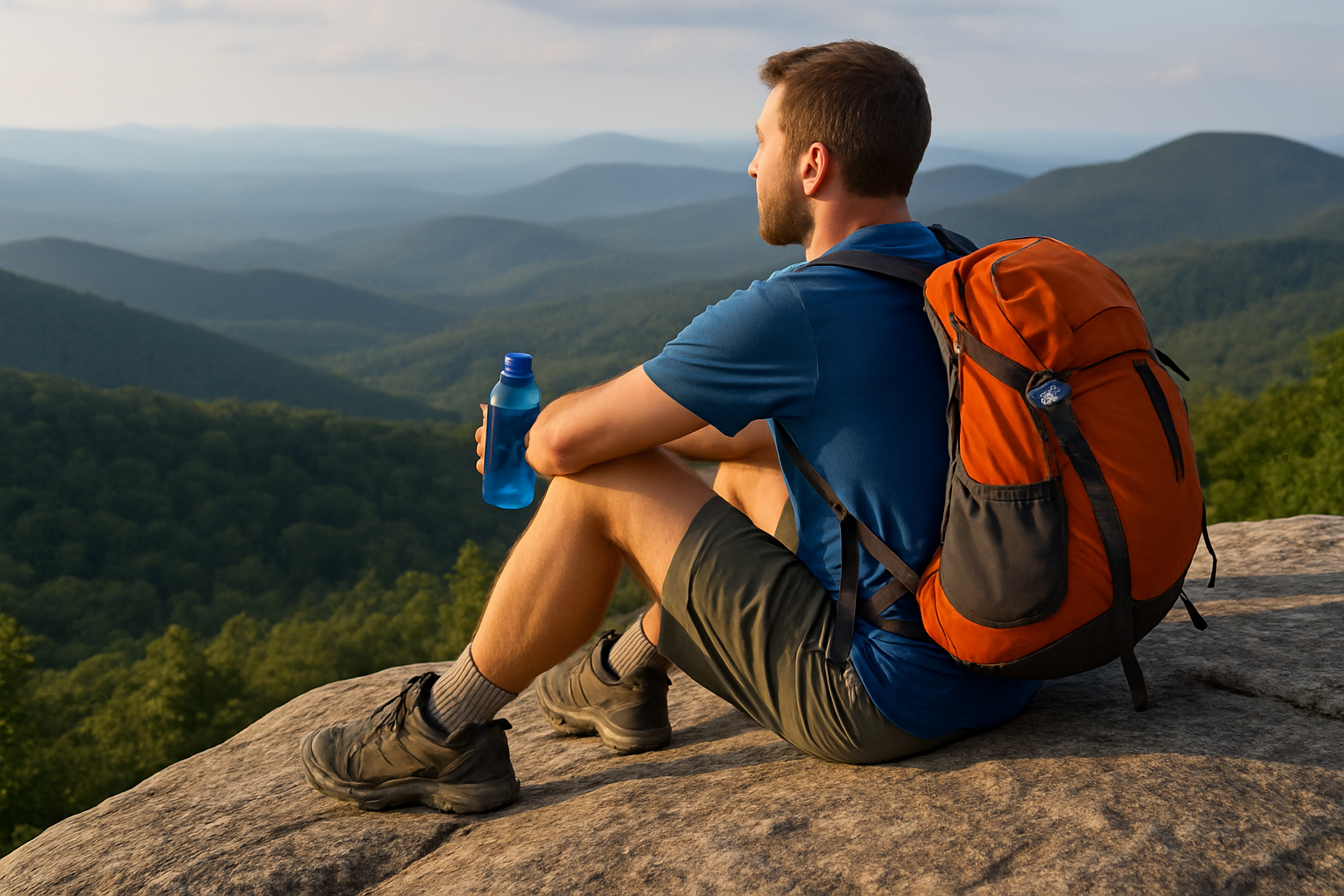
There’s nothing quite like the satisfaction of finishing a long hike. Legs burning, lungs full of fresh air, heart still beating with the rhythm of the trail. But once you peel off your boots and sit down, that satisfying fatigue can easily turn into soreness, stiffness, or even next-day regret.
Knowing how to recover after a long hike isn’t just for elite trekkers. It’s for anyone who wants to wake up the next morning feeling strong, not wrecked and especially for beginners learning to listen to their bodies and care for them accordingly.
1. Rehydrate—You’re Likely More Dehydrated Than You Think
Even if you drank water while hiking, chances are you’re finishing the trail slightly dehydrated. Long treks, sun exposure, elevation and sweating all pull water and electrolytes from your body. Replacing those lost fluids is step one.
One of the most scenic and sunny hikes, like the Makapuʻu Point Lighthouse Trail in Hawaii, is also one where hydration loss can sneak up on you. After a trail like that, don’t just sip—drink consistently over the next few hours and consider an electrolyte boost with something like coconut water or sports hydration powders.
2. Stretch, Move, and Cool Down Gently
It’s tempting to collapse into your car seat or onto the couch post-hike, but a few minutes of gentle movement and stretching can make a massive difference in recovery. Walk slowly for five to ten minutes as a cooldown, then do light stretches for your calves, hips, hamstrings, and back.
Flat, beginner-friendly trails such as Bear Creek Outcropping Trail in Mississippi are perfect to wrap up with an easy cooldown walk. It’s these final moments that help flush lactic acid out of tired muscles.
3. Replenish With Protein and Carbs
Your muscles just worked hard and now they need fuel to recover. Eating within 30–60 minutes of finishing a hike helps repair tiny muscle tears and replenish energy stores. Don’t wait until dinner. Pack a simple snack like a nut butter sandwich or protein bar in your daypack.
Wondering what pack can carry recovery snacks without weighing you down? Browse our expert reviews for Top 3 Men’s Daypacks for Beginners or Best Daypacks for Beginner Women to make sure your pack works as hard as you do.
4. Treat Soreness Before It Sets In
If you feel achy, act early. A warm bath with Epsom salt is a time-tested remedy, but you can also roll out your legs with a foam roller or use a massage gun on your calves, quads and glutes. For extra tired feet, elevate them and slip on some compression socks.
If your hike included steep elevation like Mount Willard in New Hampshire, you’ll thank yourself the next day for proactive recovery.
5. Prioritize Sleep and Let Your Body Rebuild
Sleep is when your body truly recovers. Growth hormone spikes, muscles repair and inflammation drops. If you’re feeling wiped out, give yourself permission to get a full night of sleep even if that means lights out by 9 PM. Your body earned it.
6. Light Movement the Next Day Works Wonders
A total rest day might feel right, but some light activity will help your body recover faster. Take a short walk around your neighborhood, stretch, or do a gentle yoga flow. Staying sedentary can actually prolong soreness and stiffness.
Planning your next easy hike soon? Consider something low-impact like the Pinelands Trail in Cape Henlopen, Delaware—ideal for easing back into motion.
7. Consider What You’ll Do Differently Next Time
Recovery also involves reflecting. Did you drink enough water? Were your shoes supportive enough? Did your backpack feel comfortable, or did it strain your shoulders? If you’re due for a gear upgrade, start with our review of Best Hiking Shoes for Beginner Women or Top Men’s Hiking Shoes for Beginners. Comfortable gear often equals better post-hike recovery.
Final Thoughts: Recovery Is Part of the Hike
You’re not “done” with your hike until your body has had time to fully recover. Whether it was a mellow trek along the Boardwalk Loop in South Carolina or a heart-pumping ascent in the Rockies, post-hike recovery ensures you’ll feel good enough to lace up again soon.
Treat recovery with the same intention you bring to the trail and you’ll keep hiking stronger, longer.