
Just a heads-up: this page may contain affiliate links. If you buy through them, we may earn a small commission at no extra cost to you. Learn more.
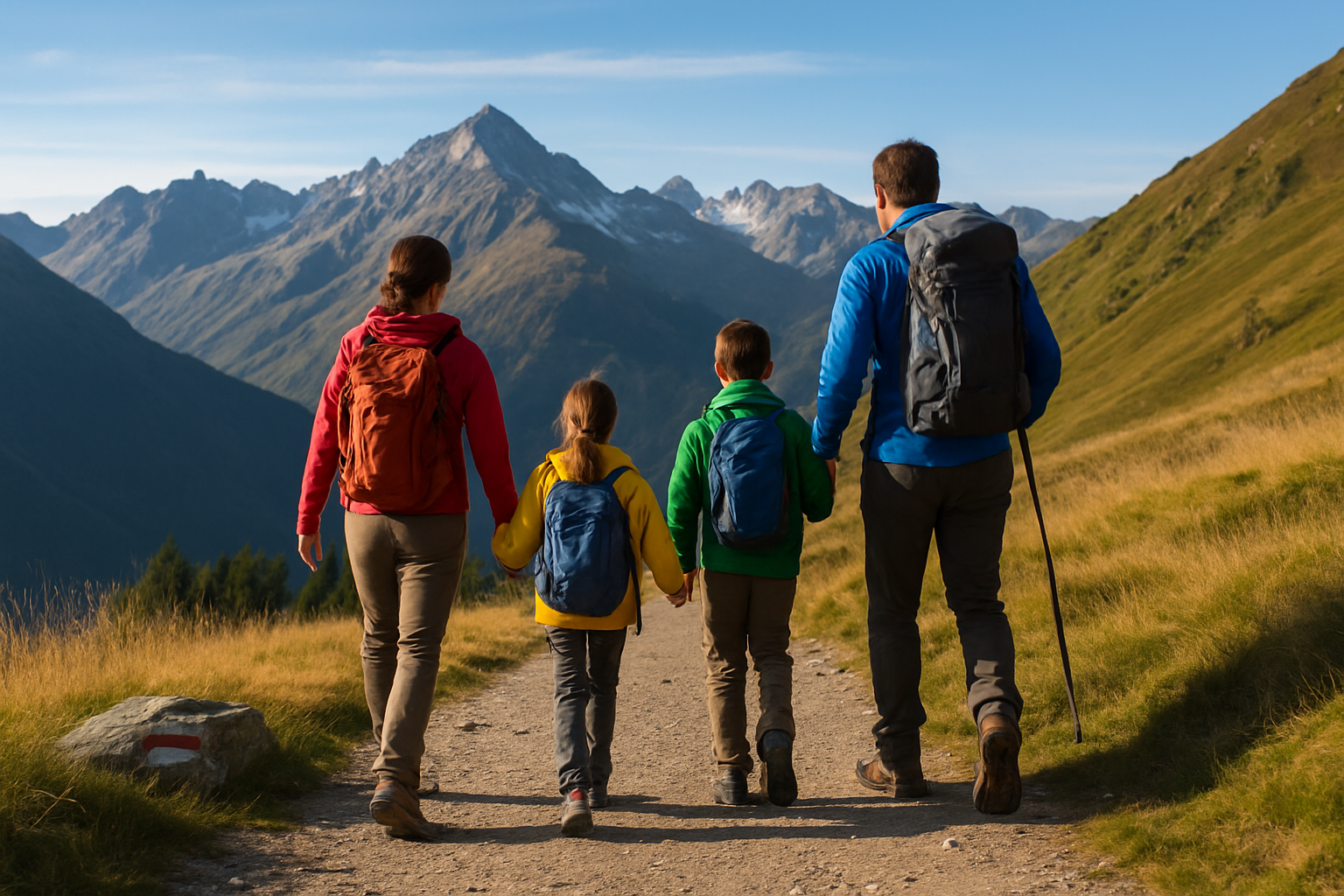
Getting outdoors with your children is always rewarding, but when the trails climb higher into the mountains many parents wonder if safe high altitude hiking with kids is realistic. It absolutely can be provided you plan for acclimatization, pace the day conservatively and keep a close eye on hydration and weather. Think of altitude as another variable to manage, much like distance or elevation gain.
⛰️ Understanding Altitude Health for Kids
Above roughly 6,500 feet, thinner air can make breathing feel harder and can trigger mild altitude symptoms. Before your first mountain day, skim a primer like our guide to hiking at high altitude as a beginner so you know what to watch for headache, unusual fatigue, nausea, or loss of appetite. If any symptom appears and doesn’t improve with rest and fluids, the safest move is to descend.
When you’re picking a first outing, choose short, well-maintained routes with easy footing. For example, Colorado’s front range isn’t your only option; a high-elevation beginner trail like the scenic Bear Lake Trail in Rocky Mountain National Park keeps distance minimal while giving kids “we’re in the mountains!” payoff. In Utah, the boardwalk-friendly Silver Lake Loop in Big Cottonwood Canyon is another gentle way to experience altitude as a family.
🥤 Hydration & Snack Rhythm Up High
Dry mountain air and faster breathing increase fluid loss, so plan water breaks before kids ask. A simple rhythm: two big sips every 15–20 minutes works wonders. If you want a refresher on dialing in fluids, our post on hydration while hiking explains how to estimate needs in heat, sun, and elevation. Pair water with steady snacks (nuts, fruit leathers, cheese sticks) to keep energy even; you’ll notice fewer “I’m done” moments when blood sugar doesn’t spike and crash.
🎒 Kid-Ready Layers, Footwear & Poles
At altitude, sun and wind flip quickly. Think light, modular layers: breathable base, cozy midlayer, windproof shell. For feet, comfort beats everything. If you’re choosing shoes from scratch, start with fit and underfoot feel using our walkthrough on how to choose hiking shoes as a beginner. Expect some puddles or lingering snow at elevation—this quick read on how to dry wet hiking boots helps you decide when waterproofing matters. Many parents also find that kid-sized trekking poles instantly improve balance on rocky steps; if you’re curious, browse our picks in best trekking poles for beginners.
⏱️ Pacing That Kids Enjoy (and Parents Can Trust)
Altitude rewards patience. Keep your pace just slow enough that kids can chat while walking, and schedule micro-breaks to “notice things”—chipmunks, wildflowers, water sounds. If you’re planning that very first outing as a family, set expectations together and borrow ideas from our story-driven guide to your first family hike. Parents often tell us that starting conservatively turns anxiety into excitement by the second or third trip. And if nerves are part of your picture, this short read on hiking and confidence offers simple ways to build momentum without pressure.
🌦️ Weather Smarts at Elevation
High country clouds can thicken in minutes. Check the forecast, pack an extra warm layer for each child, and adopt a hard turnaround time. Sudden fronts and pop-up showers are covered in our practical guide to staying safe when the weather changes. A conservative call today protects tomorrow’s stoke.
🧰 Recovery, Routines & Looking Ahead
The day isn’t over at the trailhead. A little ritual—dry socks, a favorite snack, gentle stretching helps bodies bounce back and creates positive associations with “mountain days.” If you want a simple checklist for post-hike care, we put all the basics in how to recover after a long hike. Parents often notice that these small wins carry forward, making the next outing feel easier and more exciting for kids.
🌟 Final Thoughts
Safe high altitude hiking with kids is less about chasing summits and more about stacking small, smart choices: pick friendly trails, hydrate early, dress for changeable weather, and keep the pace playful. Start with wins like Bear Lake or Silver Lake Loop, and let curiosity—not mileage, set your goals. With a little preparation and a lot of patience, you’re building resilience, confidence, and lifelong memories together.